Pest control is an essential service that ensures our homes and businesses remain safe and comfortable. Extermination services go beyond just removing visible pests; they play a crucial role in preventing infestations, safeguarding property, and protecting health. Professional exterminators are trained to employ various techniques and solutions, tailored to specific types of pests, making them invaluable in integrated pest management strategies.
1. What types of pests can exterminators handle?
Exterminators are equipped to handle a wide range of pests that can invade both residential and commercial spaces. From common household pests like ants, cockroaches, and rodents to more specialized nuisances such as termites and bed bugs, exterminators have strategies for them all.
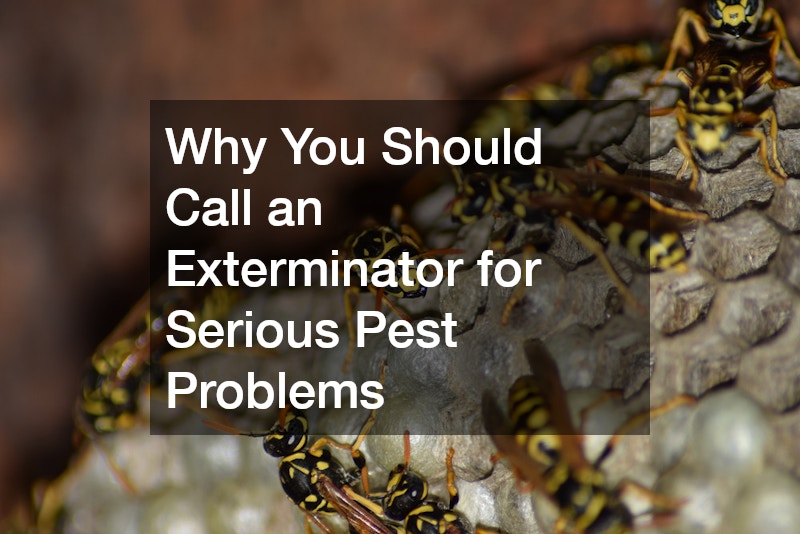
In addition, they deal with flying insects like mosquitoes and flies which can cause health issues due to the diseases they carry. Many exterminators also provide services for less common pests like spiders, wasps, and even wildlife such as raccoons and skunks. This diverse array of services highlights the critical role exterminators play in maintaining sanitation and safety.
The approach to handling each type of pest requires specific knowledge and expertise. For example, termite infestations are handled quite differently compared to a bed bug problem. While termites require treatments that might involve soil treatment and structual fumigation, bed bugs might be tackled with heat treatments or specialized pesticides. Additionally, professional exterminators continually update their skills and knowledge to handle emerging pest problems with new technologies and environmentally friendly techniques. This specialization ensures that they can provide the most effective solutions for pest eradication.
Despite the differences in handling various pests, exterminators often begin with a thorough assessment of the situation. Identifying the type of pest is just the first step; understanding the scale of the infestation and the environmental conditions is equally important. Exterminators make use of tools such as moisture meters, UV lights, and even sniffer dogs in some cases to pinpoint the problem areas. This comprehensive evaluation allows them to craft a tailored approach, ensuring that every infestation is tackled efficiently and effectively.
2. How do exterminators determine the best treatment method?
To determine the best treatment method, exterminators conduct a thorough inspection to identify the type and extent of a pest infestation. This process typically involves observing signs of pest activity, such as droppings, nesting sites, and damage to property. After diagnosing the problem, professionals consider several factors, including the specific species, the infestation’s location, and any potential health implications. This assessment ensures that exterminators select the most effective method while minimizing risks to human health and the environment. They often rely on their extensive knowledge and advanced tools to optimize these evaluations.
Exterminators often utilize integrated pest management (IPM) strategies, which combine multiple methods for more comprehensive control. This holistic approach usually includes initial treatments using traps, baits, or targeted chemical applications, followed by long-term preventive measures. Chemical treatments are applied with precision to minimize environmental impact and exposure to non-target species, including humans and pets. In many cases, non-chemical methods such as exclusion techniques, habitat modification, and biological controls are favored to reduce reliance on pesticides. This balanced use of techniques helps ensure lasting results and aligns with eco-friendly pest management practices.
Furthermore, professionals stay updated on the latest advancements in pest control technologies and products. With ongoing education and training, they are equipped to refine their strategies and adapt to changing pest behaviors and resistance patterns. Their access to cutting-edge solutions allows them to offer tailored services, effectively addressing complex pest issues while complying with industry standards and regulations. By investing in continued learning, exterminators can provide clients with safe, reliable, and innovative approaches to pest management.
3. What preventative measures can exterminators provide?
Preventative measures are a crucial part of an exterminator’s service offerings, aimed at stopping pest problems before they become severe. Exterminators perform regular inspections to identify potential entry points and areas of vulnerability within a property. This proactive approach includes sealing cracks, gaps, and crevices, installing screening or mesh barriers to prevent access, and advising on structural corrections to deter pests. These efforts help to fortify a property against pests and reduce the likelihood of future infestations. By investing in ongoing maintenance and monitoring, clients can maintain a pest-free environment.
Alongside physical barriers, exterminators provide advice on how to modify behaviors and environments to further prevent pest problems. This can include recommendations on proper food storage, waste management practices, and landscaping adjustments to reduce attractants and breeding sites. Educating clients about best practices empowers them to take an active role in preventing pest issues. Exterminators often offer informative resources, including guidelines and checklists, to assist property owners in maintaining effective pest control measures. This collaborative approach is critical to achieving sustainable results.
Moreover, exterminators introduce natural deterrents and biological solutions as part of their comprehensive prevention plans. By promoting natural predators and utilizing techniques such as pheromone traps, professionals can leverage ecological dynamics to manage pest populations. These methods are not only environmentally friendly but also minimize the risk of resistance development. Such innovative strategies are essential components of a modern extermination service, reflecting an industry shift towards more sustainable and ethical pest control practices.
4. How safe are exterminator services for children and pets?
Ensuring the safety of children and pets is a primary concern for exterminators when implementing pest control solutions. Professionals carefully select treatment options that pose minimal risk to human and animal health, such as using lower-toxicity chemicals and targeted application techniques. Many exterminators prefer using Integrated Pest Management approaches, prioritizing non-chemical measures wherever possible. Additionally, exterminators provide clear instructions and safety precautions for clients to follow both during and after treatments to ensure the well-being of residents and animals. Safety is integrated into every step of the pest management process, emphasizing the importance professionals place on these considerations.
Furthermore, advancements in pesticide technology have led to the development of safer products with improved efficacy. Today’s treatments are designed to target specific pests while reducing exposure to humans and pets, reflecting a broader industry trend toward safer pest control solutions. Many of these products have been thoroughly tested to meet stringent safety and environmental standards, providing peace of mind to clients concerned about the potential impacts of pest management activities. The careful selection of these advanced products underscores the commitment exterminators have to customer safety and satisfaction.
Exterminators also emphasize personalized consultations to address specific safety concerns of their clients. By understanding individual household dynamics, including the presence of small children, pregnant women, and pets with particular sensitivities, exterminators can adapt their services to suit the unique needs of each client. This personalized approach allows for tailored treatments and provides an opportunity for clients to express any concerns they may have. The goal is to ensure that all precautions are in place, fostering a collaborative relationship where safety remains a top priority.
5. What are the costs associated with extermination services?
The costs of extermination services can vary significantly based on several factors, including the type of pest, the severity of the infestation, and the size of the area to be treated. Generally, services for common pests like ants or wasps are less expensive than treatments for more complex issues such as termites or widespread rodent infestations. Seasonal considerations may also affect pricing, with certain times of year seeing higher demand and thus increased costs. Exterminators typically offer detailed quotes after conducting initial assessments to provide transparent pricing and avoid unexpected expenses. Clients are encouraged to discuss their budgetary needs with providers to find solutions that align with their financial constraints.
Many extermination companies offer service packages that include preventative measures and regular maintenance, which can be cost-effective solutions for long-term pest management. Bundled services may include scheduled inspections, follow-up treatments, and continuous monitoring, offering clients peace of mind and potentially reducing overall costs compared to one-time services. Investing in preventative care can help avoid the expense and disruption of severe infestations down the line, presenting a more economical approach to pest management. Frequent evaluations ensure that properties remain protected, minimizing the risk of future infestations.
It’s essential for clients to understand what services are included in the pricing and what guarantees are offered. Many exterminators provide service warranties, ensuring that any recurrence of the problem within a specified period will be treated at no additional cost. This assurance reflects confidence in their treatment methods and supports client satisfaction. Clients are advised to compare different providers and inquire about contracts, guarantees, and payment plans to make informed decisions. Transparency and clear communication about costs and services are integral components of a trust-based client-exterminator relationship.
Extermination services are vital for maintaining a safe and healthy environment in homes and businesses. By effectively managing and preventing pest infestations, exterminators protect property and individual health while supporting overall well-being. The comprehensive services provided—from detailed inspections and treatments to preventative measures and safety assurances—underscore the importance of relying on professional extermination services. With expertise, innovation, and a commitment to safety, exterminators continue to deliver essential support for pest management needs.