When it comes to maintaining a safe and healthy environment, controlling pests plays a crucial role. Pests can cause significant damage to property, harm health, and ultimately disrupt the comfort of your home or business. In this article, we will explore what one should anticipate from a pest control treatment, offering insights into the process, preparation, and associated safety measures.
How Does a Pest Control Treatment Typically Work?
The first step in any pest control treatment is a thorough inspection. Professionals began by identifying the type and extent of pest infestation present on the premises.
This initial stage is crucial as it lays the foundation for a targeted and effective treatment strategy.
During the inspection, pest control experts assess all possible entry points and breeding grounds. This evaluation ensures that every aspect of the infestation is addressed, minimizing the chance of recurrence. Understanding the specific behavior and patterns of pests assists in selecting the most effective treatment methods.
Once the inspection is complete, experts discuss their findings with the homeowner and provide a detailed report. The report outlines not only the types of pests found but also the underlying conditions contributing to the infestation. This information is essential for both the immediate treatment plan and long-term prevention strategies.
Implementation of Treatment Plan
The development of a treatment plan is integral to the next phase of pest control. This plan is crafted based on the inspection results and tailored to address the specific pest issues identified. Treatment strategies can vary widely, from chemical agents to physical traps, depending on the infestation and environmental concerns.
Execution of the treatment plan involves a coordinated effort to apply the selected methods efficiently and safely. Professionals ensure that the application targets only affected areas to reduce potential hazards. Each stage of this process is documented for transparency and compliance with safety regulations.
Communication during the treatment phase is critical, with pest control teams educating homeowners on the procedures being carried out. This open line of dialogue helps reassure homeowners, addressing any immediate questions or concerns. Maintaining such communication empowers homeowners to contribute to the treatment plan actively.
Follow-up Visits
Scheduled follow-up visits are a pivotal component of the pest control treatment cycle. These visits ensure that the initial treatment was successful and allow for adjustments if pests remain. Typically, follow-ups are arranged at intervals most effective for the type of pest and treatment applied.
During these visits, professionals reassess the environment and check for any signs of pest resurgence. They also determine whether preventative measures are followed correctly and suggest improvements. Regular follow-ups help maintain a pest-free environment and extend the treatment’s success.
These visits provide ongoing support and education for homeowners. Experts offer advice on adapting to seasonal pest challenges. Recommendations based on observed changes in the pest population help homeowners manage potential issues proactively.
What Should I Do Before and After a Pest Control Treatment?
Proper preparation ahead of a pest control treatment can enhance its effectiveness significantly. Begin by thoroughly cleaning affected areas and ensuring all food items are sealed. Moving furniture and objects away from walls may be recommended for easier access.
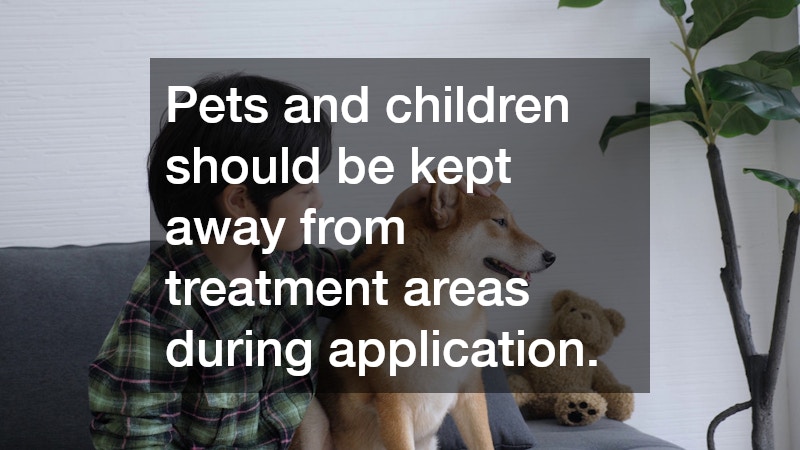
Pets and children should be kept away from treatment areas during application. This precaution ensures their safety and prevents any possible adverse reactions to chemicals. Clarifying specific pre-treatment requirements with your pest control expert is always advisable.
Communication with your pest control company is vital to understand special instructions. They may advise ventilation practices or temporarily vacating the premises if more aggressive treatments are necessary. These measures contribute to the overall safety and success of the process.
Post-Treatment Guidelines
Post-treatment actions are necessary to consolidate its impact. Homeowners should adhere to instructions given regarding re-entry to treated areas. Many treatments allow immediate use of the space, while others might require a waiting period to ensure efficacy.
Cleaning specific aspects might be essential to avoid disrupting pesticide residue. Care should be taken to avoid thorough cleaning of treated boundaries. Promptly addressing side effects or concerns with the service can ensure a safe coexistence with treatments.
Following preventive measures after treatment enhances effectiveness significantly. Regular cleaning, inspecting for signs of pests, and sealing entry points can prevent future infestations. Managing environmental factors like humidity creates an inhospitable environment for pests.
Long-term Prevention Tips
Adopting a proactive approach to pest control is crucial for long-term success. Routine maintenance, such as sealing cracks, fixing leaks, and proper waste management, can prevent pests. Landscaping adjustments help reduce potential breeding areas.
Incorporating natural pest control alternatives can supplement professional treatments. Encouraging natural predators in gardens is another effective, eco-friendly measure. Updating pest-proofing measures according to seasonal changes helps mitigate threats.
Education plays a significant role in long-term pest management. Staying informed about common pests aids in prompt identification and response. Community-driven pest control initiatives support broader efforts in maintaining a pest-free neighborhood.
Are There Any Safety Concerns Regarding Pest Control?
Pest control treatments are safe when executed correctly, with professionals adhering to stringent guidelines. It is imperative to choose a licensed service that balances efficacy with safety. Use environmentally-friendly products to minimize health risks.
For individuals with allergies or sensitivities, discuss alternative treatment methods. Proactive communication enables plans that consider specific health concerns. Safety data sheets for products used should be readily available for transparency.
Regular reassessment ensures safety is at the forefront. Innovations in the industry aim to reduce chemical footprints while maintaining effectiveness. Being informed and cautious guarantees that efforts do not compromise household health.
A well-executed pest control treatment lays a strong foundation for a safe and pest-free environment. Awareness of steps involved, including inspections and ongoing maintenance, is crucial. Maintaining an open dialogue with your provider ensures continued success in preventing and addressing pest challenges.