This article explores the various methods and services involved in tree and lawn care that help deter pests. Understanding these concepts can lead to healthier landscapes and reduced pest issues. With the right strategies and expert services, such as those from a Georgia exterminator, lawns and gardens can thrive without the threat of pests.
1. What strategies does an exterminator recommend for preventing pest issues?
Exterminators often emphasize the importance of comprehensive inspections to identify potential pest infestations. These inspections involve a detailed assessment of the property by qualified professionals who know where to look for early signs of pest issues. The aim is to catch any problems before they become larger infestations.
Customized prevention plans are another common strategy. These plans are tailored to the specific needs of a landscape, taking into consideration the local ecosystem, plant types, and environmental factors. By having a personalized approach, homeowners can ensure targeted pest control that is efficient and sustainable.
Education is also vital in pest prevention as advised by, for example, a Georgia exterminator. Teaching property owners about proper maintenance techniques can significantly decrease the likelihood of pest problems. This includes advice on irrigation, fertilization, and other practices that promote a healthy environment resistant to pest invasions.
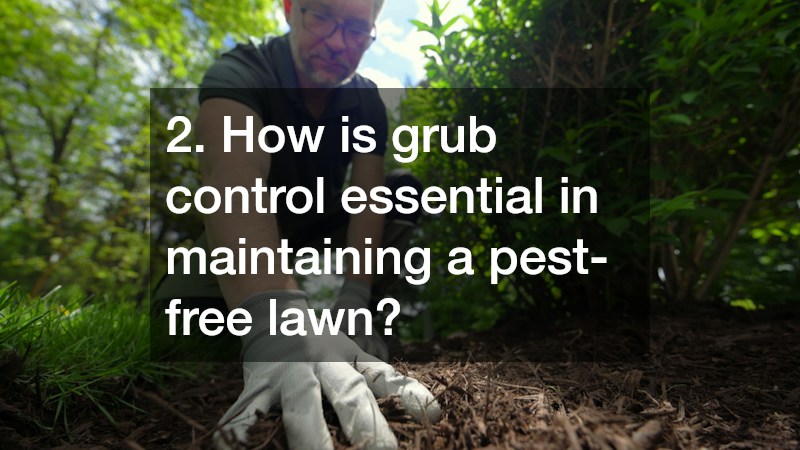
2. How is grub control essential in maintaining a pest-free lawn?
Grub control is a critical component of maintaining a pest-free lawn as grubs can cause considerable damage to turfgrass. Identifying the signs of grub infestations early, such as irregular brown patches or spongy turf, can prevent widespread damage. Homeowners should conduct regular inspections, especially during peak grub activity periods.
Effective techniques for grub control involve a combination of cultural, biological, and chemical methods. Encouraging natural predators in the lawn such as birds can help control grub populations naturally. Using beneficial nematodes or milky spore disease can offer long-term grub control without harming the environment.
Georgia exterminators may recommend implementing a preventative chemical treatment if the infestation is severe. Timing is crucial, and the application of insecticides should be done when the grubs are in their most vulnerable stage. By integrating these measures, grub control can effectively manage and prevent pests in the lawn.
3. What contributions does a backyard landscaper make to pest prevention?
A backyard landscaper plays a significant role in designing landscapes that naturally deter pests. Choosing pest-resistant plant species and utilizing strategic plant placement can disrupt the habitat of common pests. Landscapers often work with a plant nursery to select the best plants for each environment.
In addition to design, seasonal maintenance tasks are vital in pest prevention. Regular maintenance activities such as pruning, mulching, and plantation rotations will help eliminate conditions favorable to pests. This proactive approach helps sustain a robust landscape that is less susceptible to pest infestations.
Constant monitoring and adjusting designs based on environmental feedback are crucial roles played by backyard landscapers. They assess the effects of their designs over time and modify them to improve pest repelling capacities. A backyard landscaper’s holistic approach ensures a balanced ecosystem, keeping pests at bay.
4. Why is proper tree care important in deterring pests?
Proper tree care is central to deterring pests, as healthy trees are far less susceptible to infestations. Regular tree maintenance, including pruning and fertilizing, strengthens trees and makes them more resilient. A tree pruning service can help remove diseased or dead branches that could attract pests.
Trees that are well-maintained through an Integrated Pest Management (IPM) approach are superb at pest deterrence. IPM practices involve using biological controls, managing tree health through nutrition, and applying necessary treatments. By implementing IPM, tree care professionals can minimize pest damage without excessive use of pesticides.
Tree removal may also be essential in deterring pests when trees become too hazardous. Removing trees that are beyond saving can prevent pests from finding refuge and spreading to other plants. Proper tree care maintains healthy foliage that naturally discourages pest colonization.
5. When should tree removal be considered as a pest control measure?
Tree removal should be considered when trees pose a direct threat to property or adjacent healthy flora. Trees showing advanced signs of decay or diseased with no recovery often become pest magnets. A professional evaluation by a tree pruning service can determine if removal is necessary to stop pest proliferation.
Identifying hazardous trees requires understanding the signs of severe damage or infection. Professionals are skilled in distinguishing whether a tree’s condition is irreversible. Timely removal of such trees prevents pests from using them as breeding grounds, thus safeguarding the surrounding landscape.
The process of safe and efficient tree removal involves careful planning and execution. Using a skilled service ensures the tree is cut down without causing collateral damage to the environment. By following safety protocols, tree removal becomes a controlled method to enhance pest management strategies.
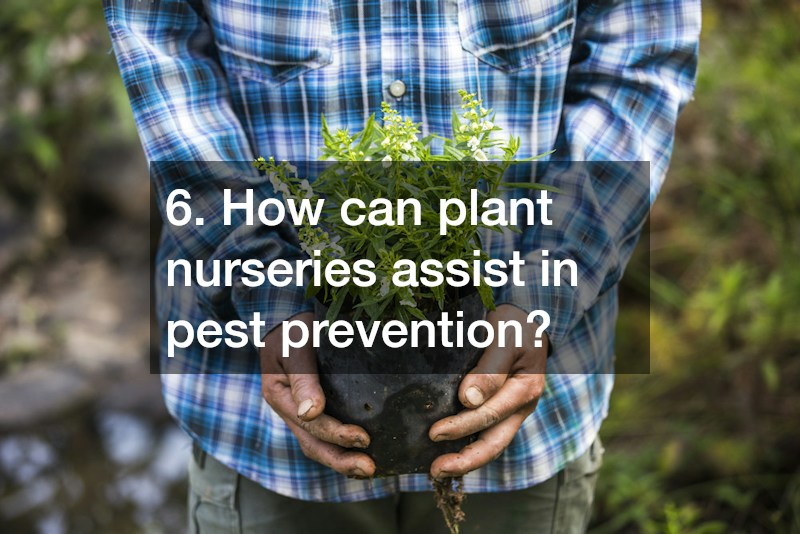
6. How can plant nurseries assist in pest prevention?
Plant nurseries are instrumental in pest prevention by supplying pest-resistant plant species. These nurseries work closely with landscapers to provide plants that are less likely to attract pests, thus minimizing pest management efforts. By selecting native or strong hybrid species, the chances of pest issues are reduced.
Expert advice from plant nursery professionals aids homeowners in maintaining plant health. Guidance on correct planting techniques, soil quality, and growing conditions fosters robust plant growth. With a healthy start, plants are more resilient against pest attacks, leading to a thriving garden landscape.
Nurseries also often offer workshops and resources on integrated pest prevention strategies. Educating the public about best practices ensures a collective effort towards sustainable pest management. Overall, plant nurseries are a crucial ally in establishing and maintaining healthy, pest-resistant environments.
7. What role does a tree pruning service play in managing pests?
A tree pruning service is vital in managing pests by preventing diseases that pests could exploit. Regular pruning removes weak or infested branches, curbing the spread of pests and diseases. It also promotes healthy growth that is less inviting to pests.
Pruning follows best practices to ensure trees remain healthy and productive. Professionals remove select branches to improve air circulation and sunlight penetration. These methods bolster the tree’s innate defense mechanisms, making them less attractive to pests.
Maintaining a consistent tree pruning schedule is key to preventing pest-related tree diseases. Expert tree care can target specific growth areas to encourage resilience. By focusing on these practices, a tree pruning service greatly contributes to overall pest control in the landscape.
8. How does a bee removal service ensure garden health without harming beneficial insects?
Ethical bee removal services are designed to relocate bees safely without harming them, thus maintaining garden biodiversity. The goal is to ensure garden health by preserving essential pollinators, which contribute to the ecosystem’s productivity. Experienced professionals carefully extract and relocate bee colonies to safe areas where they can thrive.
The importance of bees in pollination cannot be overstated. By assisting in pollinating a wide variety of plants, bees significantly impact fruit and flower development. A balance is maintained in the garden by ensuring bees are safely relocated rather than unnecessarily destroyed.
Bee removal services follow sustainable practices that prioritize the health of both garden flora and bee populations. They consider the ecological role of bees and strive to educate the community on the importance of avoiding harmful pesticides. This approach helps maintain a healthy, pest-managed garden with thriving biodiversity.
9. Which landscape supplies are most effective in pest deterrence?
Organic fertilizers have become popular landscape supplies due to their dual benefits of improving soil health and deterring pests. Rich in natural nutrients, organic fertilizers boost plant resilience while minimizing chemical residue that pests might exploit. Using these products supports the health and sustainability of the landscape ecosystem.
Mulch serves as another effective tool in pest control by creating unfavorable conditions for pests. It helps retain soil moisture, suppress weeds, and prevent pest invasion by covering soil surfaces where pests might lay eggs. By using organic or pest-resistant mulch, landscapes benefit from a barrier that detracts pests while nourishing the soil.
Choosing the right landscape supplies involves evaluating their environmental impact and pest management capabilities. Products with integrated pest control elements are often the most effective. Investing in quality landscape supplies ensures a vibrant garden with reduced pest problems.
10. How to choose the right landscaping company for pest prevention?
Selecting the right landscaping company involves evaluating their expertise and resources in pest prevention. Companies with a proven track record and trained staff are more likely to deliver effective pest management services. Understanding the company’s approach and preventative methods is crucial in making an informed choice.
Potential clients should inquire about the company’s commitment to sustainable landscaping practices. Those that incorporate eco-friendly methods and materials usually offer more reliable long-term pest solutions. Emphasizing sustainability indicates the company’s dedication to environmentally sound pest control.
Reference checks and client testimonials can further guide the decision-making process. Positive feedback often reflects the company’s ability to manage and prevent pest issues efficiently. Opting for a landscaping company with comprehensive services ensures a well-rounded approach to landscape maintenance and pest prevention.
11. Why is a structured pest deterrent plan essential for long-term success?
A structured pest deterrent plan is critical for consistent, long-term success in landscape management. Such plans incorporate various components like scheduled maintenance, pest monitoring, and intervention strategies to ensure optimal plant health. Comprehensive plans address current issues and anticipate future challenges, preventing pest outbreaks.
Monitoring and adjusting strategies within this framework allow for timely responses to pest activity. By consistently assessing the landscape’s condition, it’s easier to tailor pest control measures effectively. Tweaking plans as conditions evolve helps maintain a pest-resistant environment in the long run.
An effective pest deterrent plan also encompasses education and prevention, equipping property owners with the knowledge to uphold best practices. Engaging in proactive strategies fosters a healthier, more vibrant landscape. Ultimately, a well-structured plan forms the backbone of successful pest deterrence.
12. How does proper soil maintenance help in pest control?
Proper soil maintenance plays a fundamental role in pest control by promoting healthier plants that are less prone to attack. Enhancing soil quality through organic matter increases its fertility and structure, providing robust support for plant growth. Healthy plants fortified by nutrient-rich soil are less likely to attract pests.
Implementing soil amendments improves water retention and drainage, fostering optimal growing conditions. By adjusting soil pH levels and adding necessary nutrients, pest-attracting stresses are minimized. Regular soil testing enables precise amendments, tailored to preventing pest occurrences.
Through effective soil management, conditions become less favorable to pests, promoting a self-sustaining environment. Integrated approaches that improve soil fertility and health without relying heavily on chemical treatments are preferred. These strategies result in a pest-resistant landscape that maintains long-term viability.
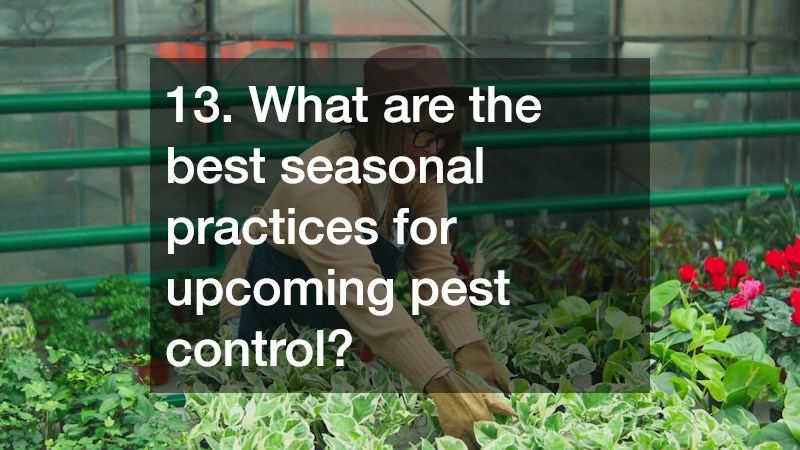
13. What are the best seasonal practices for upcoming pest control?
Seasonal practices for pest control begin with early spring preparations that set the stage for a healthy growing season. Activities such as cleaning debris, assessing tree and plant health, and applying appropriate treatments help prevent early pest invasions. This proactive approach reduces vulnerabilities as new growth emerges.
Fall maintenance and prevention efforts focus on protecting the landscape from overwintering pests. Removing fallen leaves, covering vulnerable plants, and mulching gardens all serve to eliminate potential pest habitats. These efforts mitigate the risk of pests reemerging in the spring.
Adapting pest control strategies to follow nature’s cycles ensures ongoing pest management effectiveness. By preparing for each season and adjusting interventions as necessary, landscapes remain resilient against pests. Seasonal diligence is key to maintaining a thriving, pest-free environment year-round.
Conclusion
In conclusion, the role of effective tree and lawn care is paramount when it comes to mitigating the risks associated with pest problems. By engaging expert services that specialize in landscaping and pest control, and employing a strategy that involves regular maintenance and strategic planning, you can ensure that your outdoor space remains both healthy and visually appealing.
The benefits of maintaining such a robust garden management strategy are numerous. Not only does it enhance the aesthetics of your property, increasing its value and curb appeal, but it also creates a serene environment where you can unwind and enjoy nature. This tranquility is an enduring reward, offering a space for relaxation and reflection amidst nature’s beauty, safeguarded for years to come by your diligent care and planning.