Maintaining a clean, secure, and healthy home environment requires an active defense against invasive insects, rodents, and wildlife seeking food, water, and shelter. While interior traps and chemical treatments can address immediate pest outbreaks, relying solely on reactive measures leaves your living space vulnerable to continuous reinvasion. True, long-term pest management begins at your home’s exterior boundary—its roof, walls, windows, and foundation. Every crack in a brick facade, gap along a window frame, or damaged shingle along a roofline acts as an open invitation for pests to enter your property and establish hidden nests inside wall cavities and attic spaces.
Executing strategic exterior upgrades and weatherproofing repairs systematically eliminates the physical entry points and moisture sources that attract pests in the first place. Moisture accumulation from roof leaks or poorly sealed windows creates ideal breeding conditions for wood-destroying insects like carpenter ants and subterranean termites, while unsealed attic vents give squirrels, raccoons, and mice easy access to warm insulation. By reinforcing your home’s outer envelope, you create an impenetrable barrier that keeps environmental elements and unwanted pests outside where they belong.
Taking a comprehensive approach to home upkeep combines structural maintenance with integrated pest exclusion principles. Partnering with qualified trade professionals across roofing, masonry, and window installation ensures that your property remains structurally sound, energy-efficient, and fully protected against pest intrusion. Investing in proactive weatherproofing safeguards your structural framework, protects your indoor air quality, and delivers long-term peace of mind for your entire household.
Establishing an Integrated Defense Against Household Invaders
Effective pest management relies on a multi-tiered strategy that combines thorough property inspections, targeted treatments, and continuous environmental monitoring. When pests successfully breach your home’s outer defenses, they establish hidden nesting sites within floor joists, attic insulation, and interior wall spaces, making complete eradication challenging without specialized intervention. Addressing active infestations quickly prevents severe structural contamination and health risks associated with pest droppings and allergens.
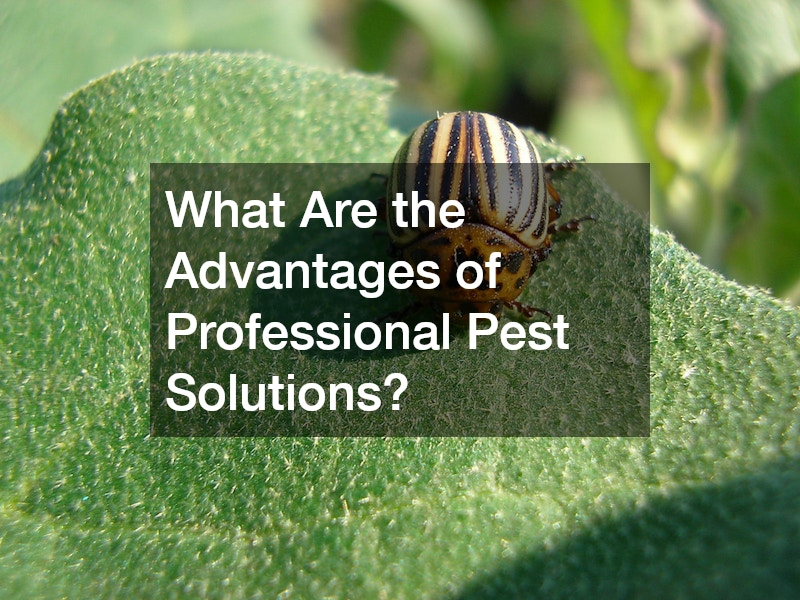
Partnering with a certified pest control company ensures that your property receives comprehensive diagnostic evaluations and tailored treatment protocols. Experienced technicians identify specific pest species, locate hidden nesting harborage areas, and apply safe, targeted exclusion barriers around foundation perimeters and utility penetrations. Their systematic approach eliminates active pest populations while identifying structural vulnerabilities around your home’s exterior envelope that require repair.
Establishing professional oversight creates a reliable, year-round protective shield for your home. Regular seasonal monitoring prevents minor pest sightings from developing into full-scale infestations during peak breeding months. Professional technical care safeguards your living environment and establishes a solid foundation for ongoing property protection.
Addressing the Link Between Structural Maintenance and Prevention
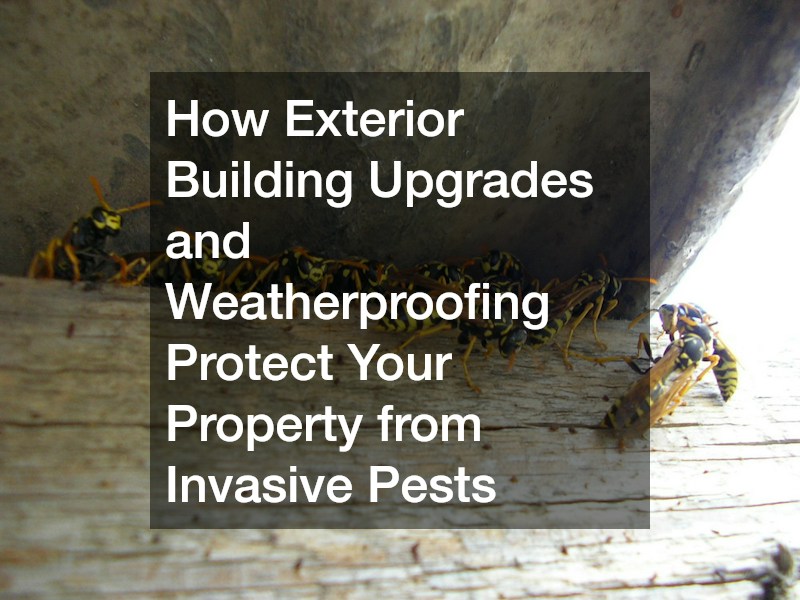
Preventing pests from invading your home requires understanding how small exterior defects create ideal habitats for insects and rodents. Minor cracks in exterior siding, deteriorating weatherstripping, and unsealed roof junctions provide easy entry routes for crawling insects and small rodents like mice, which can squeeze through openings as small as a dime. Furthermore, hidden water leaks from damaged flashing or clogged gutters create rotted wood, offering prime nesting conditions for moisture-seeking pests.
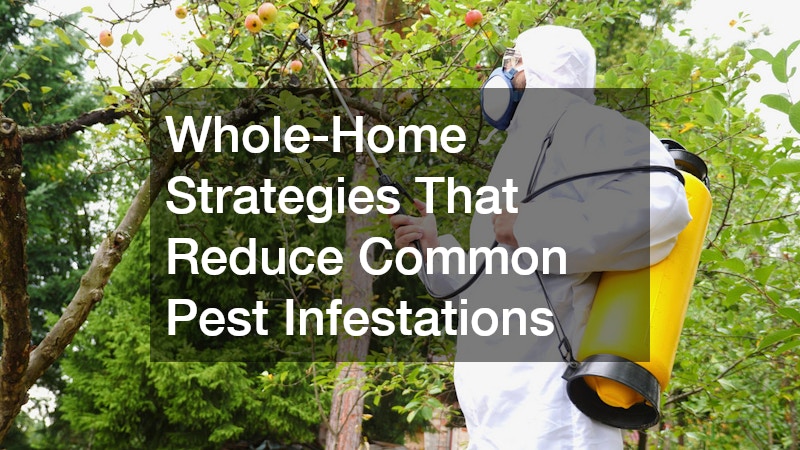
Implementing proactive pest control principles involves identifying and eliminating physical entry points, standing water sources, and overgrown vegetation near exterior walls. Sealing foundation gaps with silicone caulk, installing fine mesh screens over foundation vents, and trimming tree branches away from rooflines remove the pathways pests use to access your home. Combining physical exclusion with clean exterior surroundings creates an unappealing environment for invasive wildlife and insects.
Taking proactive steps to seal your home’s exterior envelope minimizes the need for heavy interior chemical treatments. Eliminating physical entryways stops pest problems before they begin, protecting your indoor living spaces from unwanted intruders. Consistent structural maintenance keeps your home secure, dry, and pest-free throughout the year.
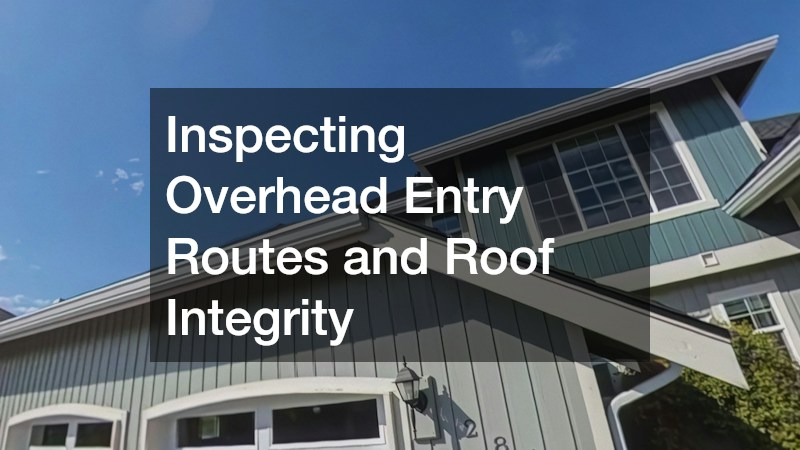
Inspecting Overhead Entry Routes and Roof Integrity
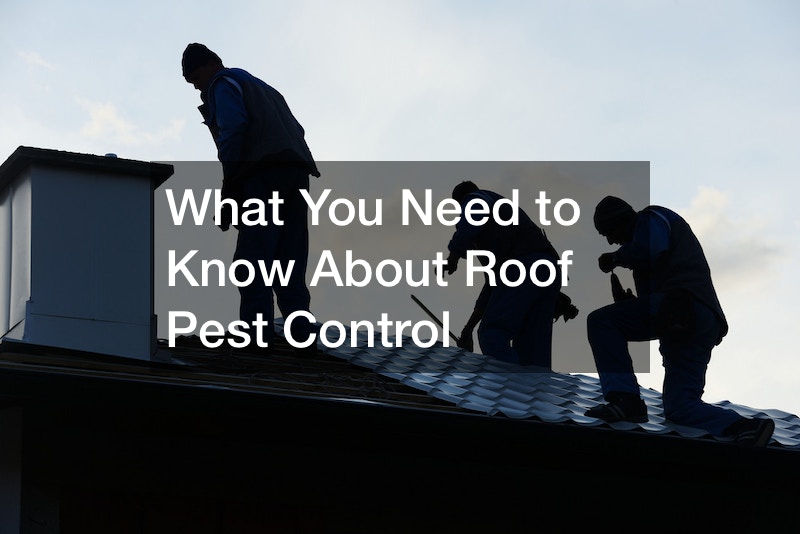
Your roof is one of the most vulnerable areas for pest intrusion, as elevated rooflines are exposed to harsh weather and accessible to climbing pests like squirrels, raccoons, bats, and roof rats. Over time, wind-driven rain and intense sun exposure degrade roof flashing, lift shingles, and rot wooden fascia boards, creating hidden entry pathways directly into your attic space. Once inside, wildlife can tear apart insulation, chew through electrical wiring, and cause significant structural damage.
Consulting a qualified local roofer ensures that elevated structural vulnerabilities, compromised soffit vents, and damaged roof decking are identified and repaired before animals establish nests. Trained inspectors possess the safety equipment and technical experience needed to examine high roof peaks, chimney flashings, and valley seams safely. Their detailed diagnostic evaluations highlight precise areas where weatherization and pest-proofing reinforcements are needed.
Promptly addressing overhead vulnerabilities preserves your attic insulation and prevents costly wildlife removal procedures. Fixing minor roof defects stops water intrusion and keeps climbing pests from gaining a foothold along your roofline. Professional roof evaluations provide essential clarity regarding your home’s upper barrier health.
Securing Roof Lines and Attic Vents Against Wildlife
Roof intersections, eave lines, and ventilation openings require specialized protective features to handle extreme weather while blocking animal intrusion. Unprotected attic louvers, ridge vents, and plastic soffit panels are easily chewed through or pried open by persistent rodents and raccoons seeking warm shelter during colder months. Securing these vital ventilation points with durable materials is essential for maintaining proper attic airflow without compromising pest security.
Utilizing comprehensive roofing services allows homeowners to upgrade vulnerable plastic vents to heavy-duty galvanized steel or copper mesh covers that resist animal gnawing and clawing. Professional technicians secure drip edges tightly along fascia boards, seal open gaps behind rain gutters, and reinforce attic exhaust caps to prevent bats, birds, and rodents from entering. Properly executed roofing maintenance balances vital attic ventilation with total pest exclusion.
Upgrading your roof’s defensive features protects your home’s interior framing and electrical systems from animal damage. Steel mesh reinforcements and weather-tight flashing keep wildlife out while allowing excess attic heat and moisture to vent safely. Professional installation guarantees long-lasting protection against weather and pests.
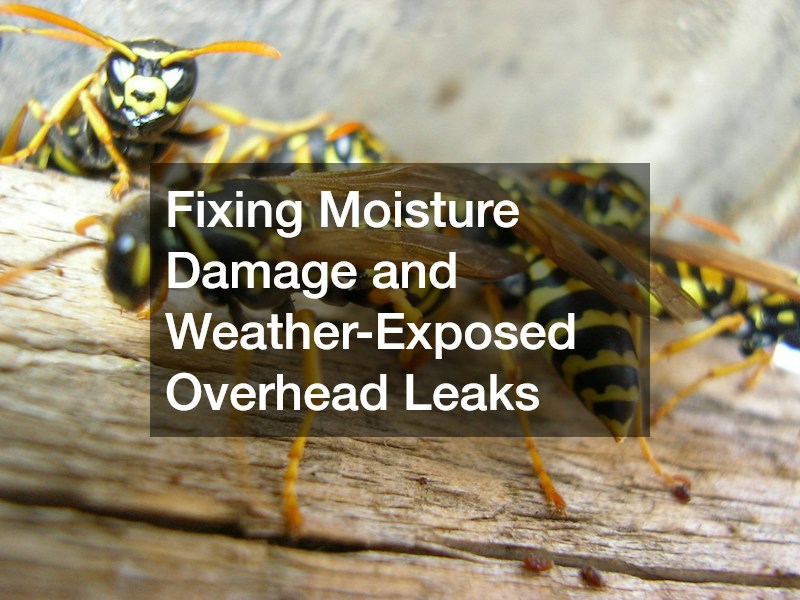
Fixing Moisture Damage and Weather-Exposed Overhead Leaks
Persistent roof leaks do far more than stain ceiling drywall; they create damp, rotted wood environments that attract subterranean termites, carpenter ants, powderpost beetles, and silverfish. These moisture-loving pests thrive in water-damaged structural timbers, hollowing out wooden rafters, ceiling joists, and wall studs from the inside out. Leaving active roof leaks unaddressed creates severe structural risks and invites costly insect damage.
Executing timely roof repairs stops active water leaks, replaces saturated underlayment, and repairs rotted plywood sheathing before wood-boring insects locate the damp timber. Skilled technicians seal flashing joints around chimneys, vent pipes, and skylights with high-grade elastomeric sealants that withstand expansion and contraction. Eliminating internal moisture sources deprives pests of the humid environment they need to survive.
Rapid repair interventions protect your home’s structural framing from hidden insect damage and fungal decay. Keeping your roof deck dry and fully sealed prevents costly timber replacements and maintains home structural stability. Proactive leak repairs safeguard both your roof and your interior living environment.
Selecting Qualified Structural Specialists for Building Integrity
Executing major exterior upgrades, roof overhauls, or full weatherization projects requires specialized mechanical skills, proper licensing, and high-quality materials. Substandard installation work—such as misaligned flashing, unsealed roof valleys, or poorly secured drip edges—leaves hidden gaps that allow water and pests to enter your property unnoticed. Choosing an established contractor guarantees that all structural modifications meet strict building codes.
Partnering with an accredited roofing company ensures that your exterior renovation project is managed by experienced, insured professionals who understand pest-exclusion principles. Established contractors utilize high-performance synthetic underlayments, heavy-duty flashing materials, and weather-resistant fasteners designed to withstand severe weather events. Their professional oversight guarantees that every roof junction is fully sealed against moisture and pest entry.
Working with reputable trade specialists gives you confidence that your structural improvements will perform reliably for decades. Experienced crews complete projects efficiently, maintain clean job sites, and back their workmanship with robust warranties. Professional structural care ensures your home remains safe, dry, and secure.
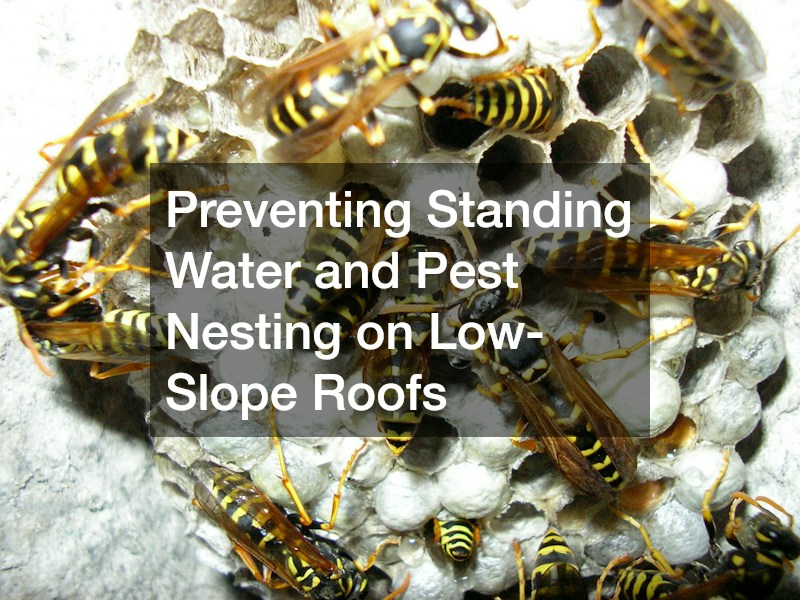
Preventing Standing Water and Pest Nesting on Low-Slope Roofs
Low-slope and flat roof structures require specialized drainage and waterproofing strategies to prevent water pooling and debris accumulation. Leaves, twigs, and standing water on flat surfaces create ideal breeding grounds for mosquitoes, flies, and stinging insects, while attracting birds and rodents seeking drinking water. If membrane seams degrade, standing water seeps into underlying insulation, leading to widespread structural rot and pest attraction.
Properly maintaining flat roofing systems involves clearing drainage scuppers, removing organic debris, and re-sealing aging membrane seams with UV-resistant coatings. Experienced technicians inspect commercial and residential flat roofs for blisters, punctures, and standing water pockets, applying durable patches to maintain a seamless, watertight membrane. Ensuring rapid water drainage stops mosquito breeding and keeps structural decking completely dry.
Maintaining a clean, well-draining low-slope roof eliminates pest attractants and prevents premature membrane breakdown. Smooth, watertight surfaces reflect solar heat, improve building energy efficiency, and prevent water intrusion. Routine low-slope maintenance protects your property investment from water damage and pest activity.
Installing Durable, Pest-Resistant Exterior Barriers
Homeowners seeking maximum durability, weather resistance, and pest protection frequently turn to metal building materials for their exterior roof structures. Unlike traditional wood shingles or asphalt, metal panels are completely impervious to gnawing rodents, carpenter ants, termites, and wood-boring beetles. Metal surfaces provide an impenetrable, smooth barrier that prevents animals from chewing their way into your home.
Installing a modern metal roofing system creates a long-lasting, weather-tight shield capable of withstanding high winds, heavy snow loads, and extreme temperature fluctuations. Interlocking metal panels and concealed fastener systems eliminate open seams where insects can crawl through, while smooth surface finishes make it difficult for climbing animals to gain traction along eave lines. Metal building materials provide exceptional fire resistance and total pest protection.
Choosing metal building solutions adds significant long-term value, energy efficiency, and modern aesthetic appeal to your property. Metal surfaces reflect solar radiation, keeping attic spaces cooler during warm summer months and reducing cooling costs. Investing in durable metal materials ensures your home remains secure against weather and pests for decades.
Sealing Exterior Walls and Masonry Entry Points
Over years of weather exposure, brick mortar joints, stucco coatings, and exterior siding panels experience thermal movement that causes cracking, flaking, and separation along wall surfaces. Cracks in exterior masonry allow wind-driven rain to penetrate wall cavities, while offering easy entryways for spiders, earwigs, subterranean termites, and small mice. Sealing these wall defects is essential for maintaining structural stability and pest security.
Scheduling professional building facade repair restores compromised masonry joints, fills stucco cracks, and re-seals expansion gaps around exterior wall penetrations using durable, flexible caulking. Skilled masonry specialists apply breathable water repellents that stop liquid water intrusion while allowing internal moisture vapor to escape safely. Repairing exterior wall surfaces prevents insects from accessing interior wall framing and insulation layers.
Eliminating Window Gaps and Weatherstrip Intrusions
Windows represent significant transition points along your home’s exterior envelope, requiring precise sealing and maintenance to prevent energy loss, water leaks, and insect intrusion. Aging window frames, rotting wooden sills, worn weatherstripping, and torn window screens allow crawling insects like ants, stink bugs, and spiders to slip easily into living spaces. Replacing outdated window units reinforces your home’s energy efficiency and pest defenses.
Partnering with a certified window company allows homeowners to upgrade to high-efficiency, multi-pane window units equipped with durable vinyl or composite frames, tight weather seals, and fine insect screening. Professional installers ensure window bucks are properly flashed, insulated, and caulked against exterior wall openings, eliminating hidden gaps around frame perimeters. High-quality window installations stop drafty air leaks and block small insects from bypassing your home’s defenses.
Upgrading to modern, well-sealed windows dramatically reduces monthly heating and cooling costs while enhancing indoor comfort. Tight window seals stop rain intrusion, block outdoor noise, and keep crawling pests out of your home. Quality window installations complete your home’s exterior weatherproofing and pest-defense system.
Maintaining a weather-tight and pest-resistant home relies on combining vigilant personal upkeep with qualified professional technical care. Partnering with certified trade specialists across roofing, masonry, window installation, and pest management guarantees that every repair and upgrade adheres to strict building codes and exclusion standards. Taking active ownership of your property’s exterior envelope safeguards your financial investment, lowers ongoing energy and repair expenditures, and ensures your living space remains safe, dry, and secure through every season.