Highlights
-
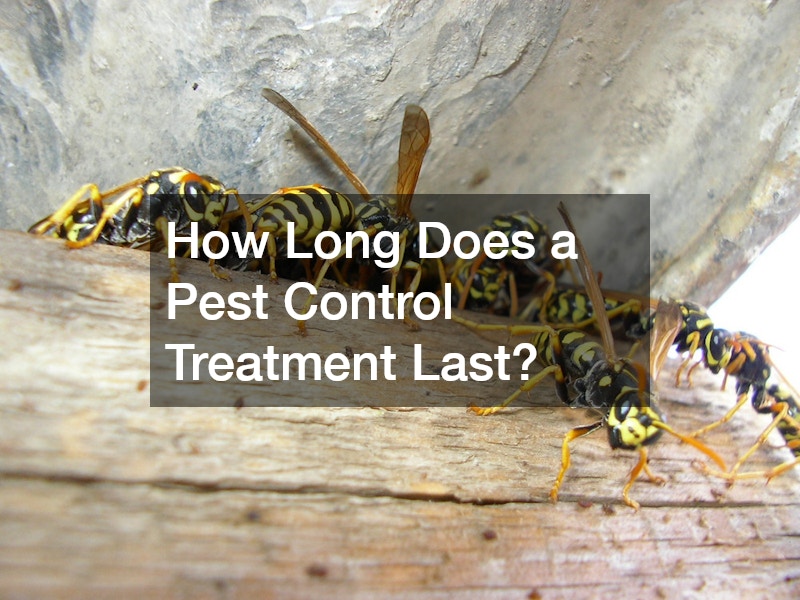
Standard Duration: Professional pest control services typically provide active chemical residual protection for 60 to 90 days, which is why technicians recommend quarterly maintenance schedules.
-
Environmental Impact: Outdoor perimeter treatments degrade faster than indoor applications due to UV exposure, heavy rain, irrigation, and fluctuating ambient temperatures.
-
Application Types: Specialized treatments vary drastically in longevity, with flying insect sprays lasting 30 days and professional termite barriers remaining effective for up to 5 to 10 years.
-
Pest Resistance: Persistent infestations like bed bugs and cockroaches often require localized monthly treatments to successfully disrupt their rapid reproductive cycles.
-
Chemical Breakdown: According to the National Pesticide Information Center (NPIC), a product’s environmental “half-life” determines how quickly active ingredients break down into non-toxic compounds.
-
Best Practices: Homeowners can extend chemical barriers by sealing perimeter cracks, limiting hard surface mopping near baseboards, and scheduling routine seasonal inspections.
What Is the Average Lifespan of a Professional Pest Control Treatment?
Standard liquid perimeter applications applied by certified technicians generally remain active for 60 to 90 days. When professional exterminators apply synthetic pyrethroids or micro-encapsulated formulas along a structure’s foundation, the active ingredients leave behind a protective microscopic barrier. Insects that crawl over this invisible shield pick up minute particles on their tarsi and antennae, absorbing the compound and effectively halting insect activity. Because these chemical residues gradually break down over time, professional pest control services establish a quarterly visitation model to refresh the barrier before complete degradation occurs.
The exact longevity of any application depends entirely on product selection and placement. While general contact sprays kill visible bugs instantly without leaving behind substantial residual power, micro-encapsulated formulations are engineered for long-term endurance.
Under ideal conditions, indoor perimeter applications placed in unexposed crawl spaces, attics, or wall voids can remain active well beyond the standard three-month window because they remain completely protected from weather degradation and direct human contact.
What Factors Cause Pest Barriers to Degrade Over Time?
Environmental weathering is the primary driver behind chemical degradation outdoors. Radiation from ultraviolet sunlight actively breaks down chemical bonds, while heavy precipitation, sprinkler runoff, and soil moisture wash away protective barriers. Data maintained by the U.S. Environmental Protection Agency (EPA) emphasizes that all registered commercial formulations are designed to break down safely into organic compounds rather than persist permanently in local ecosystems. Consequently, outdoor perimeter sprays in rainy regions typically lose full efficacy closer to the 30- to 60-day mark.
Homeowner cleaning habits and interior environmental conditions also directly influence how long a treatment lasts inside.
-
Deep-cleaning interior floors, power-washing exterior siding, or vigorously scrubbing baseboards removes the microscopic residual film left behind by exterminators.
-
Unsealed structural cracks and unmanaged leaf litter allow fresh colonies to bypass deteriorating barriers entirely.
-
High humidity levels in damp basements accelerate the microbial breakdown of active ingredients.
-
Dust accumulation over treated zones creates a physical barrier that prevents crawling insects from coming into contact with the product.
How Does Treatment Longevity Vary by Target Pest Species?
Different target pests require tailored chemical formulations and application frequencies to maintain control. For instance, fast-breeding invasive species such as German cockroaches or bed bugs cannot be managed with a single standard treatment. Because insect eggs are largely protected from residual sprays, exterminators must return every two to four weeks to eradicate newly hatched nymphs before they reach reproductive maturity. Conversely, persistent outdoor crawling insects like pavement ants or wolf spiders respond exceptionally well to standard 90-day perimeter applications.
Wood-destroying organisms like subterranean termites demand specialized long-term solutions rather than routine sprays. Specialized liquid termiticides bonded to foundation soil or subterranean baiting systems provide continuous structural defense for 5 to 10 years. Conversely, flying pests like mosquitoes or agricultural flies require monthly fogging or larvicide applications because foliage treatments deteriorate quickly under direct sunlight and wind exposure. Understanding these distinct species profiles ensures property owners choose appropriate management plans rather than relying on one-size-fits-all expectations.
Why Is the “Half-Life” Concept Important for Treatment Efficacy?
The half-life of a pesticide refers to the exact duration required for half of the original active ingredient to break down and dissipate in the environment. According to the National Pesticide Information Center (NPIC), a product with a 30-day half-life retains only 50 percent of its initial concentration after one month, 25 percent after two months, and just 12.5 percent by month three. As the concentration drops below the threshold needed to paralyze or eliminate target bugs, survival rates rise, signaling the need for a fresh application.
Environmental conditions like soil pH, oxygen availability, temperature, and microbial activity dictate whether a product has a short or long half-life. Modern professional formulas strike a careful balance between environmental safety and long-term protection. High-grade solutions rely on slow-release active ingredients that offer extended half-lives without building up toxic heavy residues in local watersheds. Knowing a product’s breakdown schedule helps homeowners anticipate when pest sightings might increase as chemical strength wanes over time.
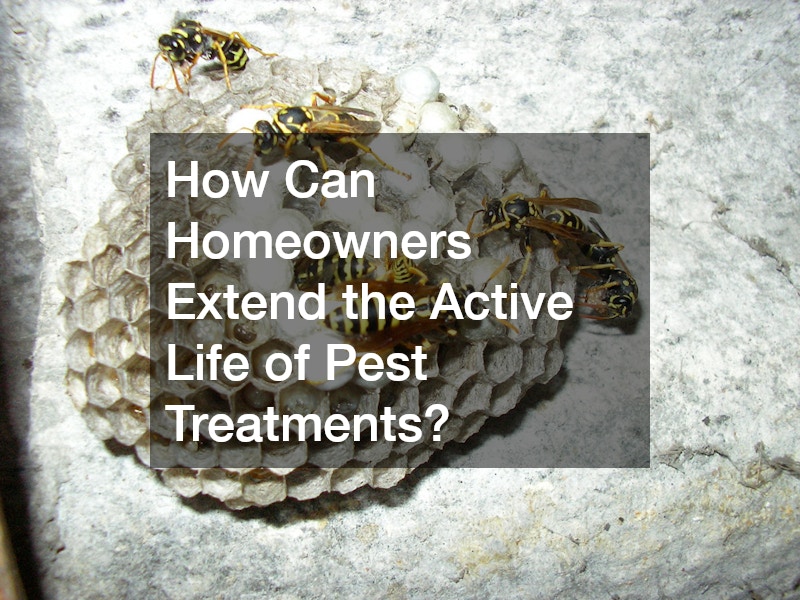
How Can Homeowners Extend the Active Life of Pest Treatments?
Homeowners can significantly prolong the protective life of professional applications by combining chemical treatments with proactive exclusion and sanitation strategies.
-
Seal foundation cracks, window gaps, and pipe penetrations using silicone caulk or copper mesh to prevent physical entry.
-
Trim tree branches, heavy shrubs, and foliage back at least 12 inches from exterior walls to minimize moisture and shade.
-
Divert roof gutters, downspouts, and irrigation heads away from the foundation to prevent water from washing away exterior treatments.
-
Store firewood, mulch, and organic debris well away from the house to eliminate pest harborage zones.
-
Avoid mopping or scrubbing directly against interior baseboards for at least two weeks following an application.
Implementing these simple maintenance practices reduces environmental stress on residual chemical barriers while eliminating the food and water sources that attract new colonies. When paired with professional pest control services, integrated pest management provides long-term defense against unwanted structural invasions.
Understanding how long a treatment lasts allows property owners to stay ahead of infestations rather than reacting after damage occurs. While professional pest control services generally offer robust protection for 60 to 90 days, variables such as weather, target species, and sanitation directly influence real-world performance. By recognizing the natural degradation lifecycle of active ingredients and pairing routine treatments with proactive structural maintenance, homeowners can maintain a safe, comfortable, and bug-free living environment year-round.