Why a Proactive Approach to Pest Management Matters
Pest problems are becoming increasingly common in modern homes due to changing weather patterns, urban expansion, and evolving construction styles. Homes today are built to be energy-efficient and tightly sealed, but even the smallest gap can become an entry point for unwanted pests. Once inside, they can multiply quickly, leading to health concerns, property damage, and ongoing frustration.
The most effective way to manage pests is not just to eliminate them when they appear, but to create a system that prevents them from returning. This means taking a comprehensive approach that addresses the interior of your home, the surrounding outdoor areas, and the structural components that can allow entry.
By combining smart maintenance habits with professional support when needed, homeowners can significantly reduce the risk of infestations. The following sections outline practical, actionable strategies that will help you take control of your space and keep it protected year-round.
Start with a Whole-Home Pest Inspection Plan
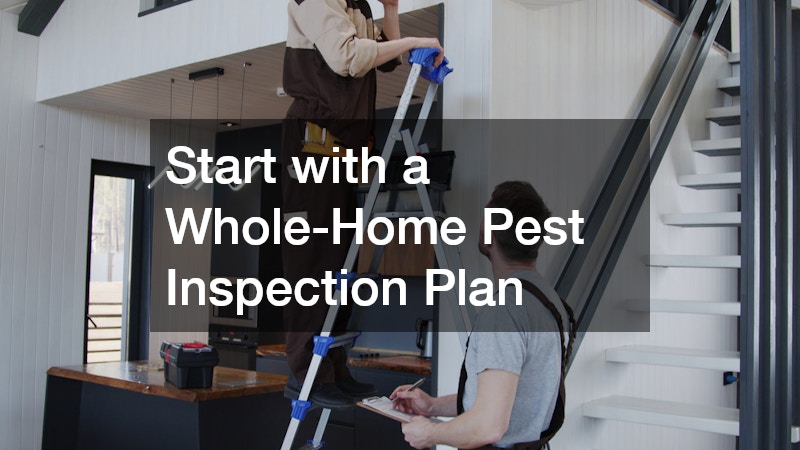
A thorough inspection is the foundation of any effective pest management strategy. Before you can fix a problem, you need to understand where pests are coming from and what conditions are attracting them. A comprehensive evaluation helps identify vulnerabilities that might otherwise go unnoticed.
Look closely at common entry points such as doors, windows, vents, and utility openings. Even tiny cracks can provide access for insects and rodents. Inside the home, inspect areas like basements, attics, and under sinks where moisture and darkness create ideal hiding spots.
Working with a professional pest control provider can make this process more efficient and thorough. They are trained to spot subtle signs of activity and can recommend targeted solutions. In some cases, scheduling an extermination service early can prevent a minor issue from becoming a major infestation.
Regular inspections—at least once per season—help you stay ahead of potential problems. This proactive approach allows you to address risks before they escalate, saving both time and money in the long run.
Eliminate Active Infestations Quickly and Safely
When pests are already present, immediate action is critical. Delaying treatment can allow infestations to spread rapidly, making them harder and more expensive to control. The goal is to eliminate the current problem thoroughly while minimizing disruption to your home.
Different pests require different treatment methods. For example, a cockroach exterminator will use specialized techniques to target hidden nesting areas and break the breeding cycle. This is far more effective than surface-level treatments that only address visible pests.
Professional pest extermination services also ensure that treatments are applied safely, especially in households with children or pets. They use products and methods designed to be both effective and compliant with safety standards.
It’s important to follow up after treatment. Even if the visible pests are gone, eggs or hidden colonies may remain. A second visit or ongoing monitoring helps confirm that the infestation has been fully resolved.
By acting quickly and using the right approach, you can restore your home to a clean, safe environment without prolonged disruption.
Prevent Rodents by Sealing and Securing Your Home
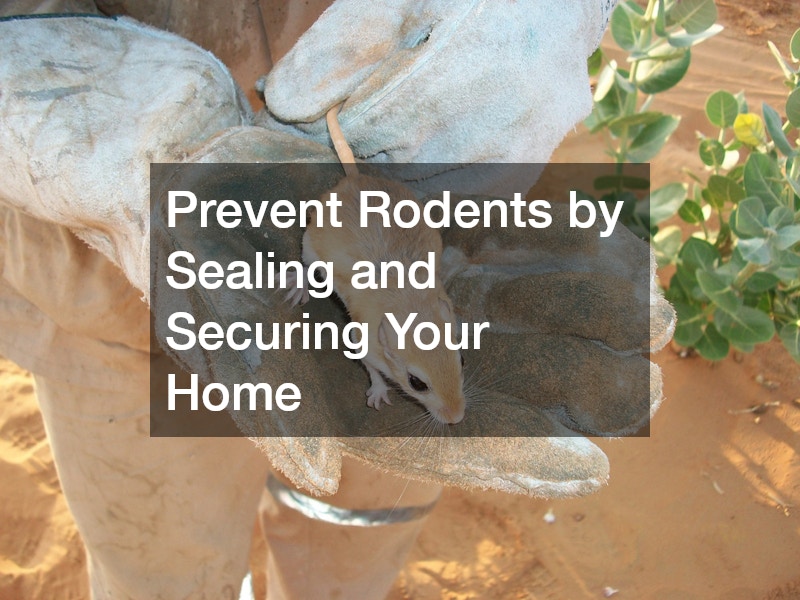
Rodents are among the most persistent and destructive pests homeowners face. They can chew through materials, contaminate food, and spread disease. Preventing them from entering your home is far more effective than trying to remove them after they’ve settled in.
Start by inspecting your home’s exterior for gaps, cracks, and holes. Pay special attention to areas around pipes, vents, and the foundation. Sealing these openings with durable materials like steel wool or caulk can significantly reduce the risk of intrusion.
Proper food storage is another key factor. Keep pantry items in sealed containers and avoid leaving pet food out overnight. Even small crumbs can attract rodents and encourage them to stay.
If you notice signs such as droppings, gnaw marks, or scratching noises, it may be time to contact a rodent control service. Professionals can identify nesting areas and implement targeted solutions that address the root of the problem.
Consistency is essential. Regularly checking for new entry points and maintaining a clean environment will help keep rodents from returning.
Keep Your Yard Maintained to Reduce Pest Activity
Your yard plays a major role in determining whether pests are attracted to your home. Overgrown grass, standing water, and accumulated debris create ideal conditions for insects and rodents to thrive.
A reliable lawn care service can help maintain a clean, well-managed outdoor space that discourages pest activity. Regular mowing, trimming, and removal of organic debris reduce hiding spots and breeding areas.
Tick control is especially important in areas with dense vegetation. Keeping grass short and removing leaf litter can significantly lower the risk of ticks, which often carry harmful diseases.
It’s also important to manage moisture. Ensure proper drainage and avoid overwatering plants, as damp environments attract many types of pests. Creating a clear boundary between your landscaping and your home’s foundation can further reduce the likelihood of pests migrating indoors.
With consistent maintenance, your yard becomes a protective barrier rather than a source of infestation.
Minimize Insect Hiding Spots Inside Your Home
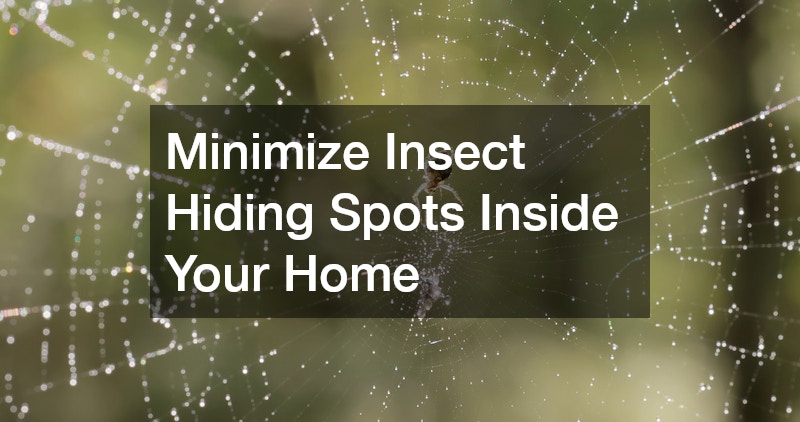
Indoor clutter and poor maintenance can create the perfect environment for insects to hide and reproduce. Reducing these conditions is a simple yet highly effective way to prevent infestations.
Start by decluttering storage areas such as basements, closets, and garages. Use sealed containers instead of cardboard boxes, which can attract pests and provide nesting material. Keeping these spaces organized makes it easier to spot signs of activity early.
Spider control often begins with eliminating their food source—other insects. Regular cleaning, vacuuming, and dusting reduce the number of bugs that spiders rely on to survive. Pay close attention to corners, ceilings, and behind furniture where webs tend to form.
Sealing cracks in walls and floors further limits access points. Managing humidity with proper ventilation or dehumidifiers can also make your home less appealing to insects.
Simple, consistent habits go a long way in maintaining a clean, pest-resistant environment.
Upgrade Your Home’s Exterior to Block Entry Points
The exterior of your home is your first line of defense against pests and wildlife, and even small vulnerabilities can quickly turn into major problems if left unaddressed. Regular inspections and timely maintenance are essential for keeping unwanted intruders out and protecting your home’s structure.
Roof repair is particularly important, as the roof is one of the most common yet overlooked entry points. Damaged shingles, loose flashing, or small gaps near vents and chimneys can provide easy access for pests. Once inside, they often settle in attics where they can go unnoticed while causing insulation damage, odors, and contamination. Addressing these issues early helps eliminate opportunities for entry before infestations begin.
Wildlife such as bats can be especially difficult to manage once they’ve established a presence. A professional bat removal service ensures safe and humane removal while also sealing the access points that allowed them in. This step is critical, as simply removing the animals without addressing entryways can lead to repeat issues.
In addition to the roof, inspect siding, foundation lines, soffits, and vents. Installing vent covers, repairing cracks, and reinforcing weak spots can significantly reduce access points. Weatherproofing measures like caulking and sealing also improve energy efficiency while enhancing pest protection.
By treating your home’s exterior as a protective barrier and staying proactive with repairs, you create a much more secure environment that keeps pests out before they ever become a problem.
Maintain Kitchens and Bathrooms to Deter Pests
Kitchens and bathrooms are high-risk areas due to the presence of food, water, and warmth. Keeping these spaces clean and well-maintained is essential for preventing pest activity.
Wipe down surfaces regularly and avoid leaving food out overnight. Store items in airtight containers and take out the trash frequently. Even small spills or crumbs can attract pests.
Leaks and moisture buildup should be addressed immediately. Damp environments are particularly appealing to insects, making repairs a top priority. Incorporating pest control practices into your daily routine helps reduce these risks.
Pay attention to hidden areas such as under appliances and inside cabinets. These spaces are often overlooked but can harbor pests if not cleaned regularly.
By maintaining these areas consistently, you create an environment that is far less inviting to unwanted guests.
Use Preventative Treatments for Long-Term Protection
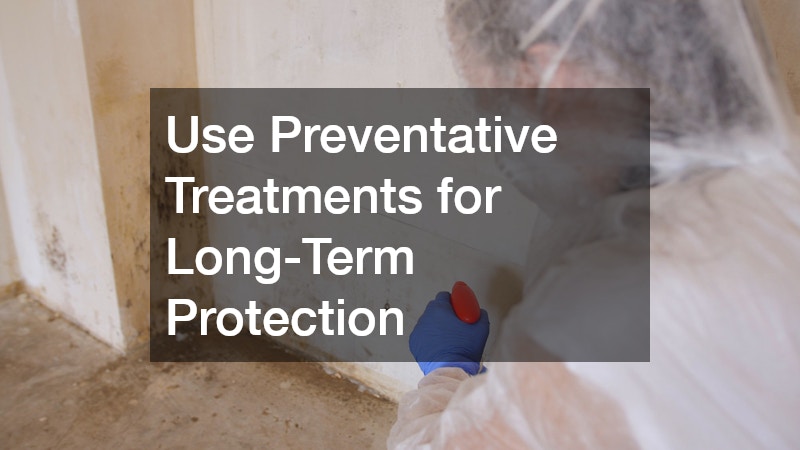
Preventative treatments are a key component of maintaining a pest-free home. Rather than waiting for a problem to arise, these measures create a barrier that keeps pests from entering in the first place. This proactive approach not only protects your home but also reduces the stress and cost associated with dealing with full-blown infestations.
Scheduling regular extermination service visits ensures that treatments are applied at the right intervals for maximum effectiveness. These visits typically focus on creating protective barriers around entry points, treating high-risk areas, and monitoring for early signs of activity. By staying consistent with these appointments, you can stop problems before they develop.
Professional pest extermination plans can be customized to address the specific challenges of your home, including location, climate, and the types of pests common in your area. This tailored approach ensures that treatments are both efficient and targeted, rather than relying on generic solutions that may not fully address the issue.
Many homeowners are also opting for eco-friendly and low-toxicity options, which provide effective protection while being safer for families and pets. These modern solutions focus on long-term prevention rather than short-term elimination.
Consistency is crucial. Skipping scheduled treatments can allow pests to return and rebuild populations quickly. By maintaining a regular preventative plan, you create a continuous line of defense that keeps your home protected year-round while minimizing the need for more aggressive interventions later.
Combine Indoor and Outdoor Strategies for Best Results
Effective pest management requires a coordinated approach that addresses both the inside and outside of your home. Focusing on only one area often leads to recurring problems.
For example, working with a rodent control service to address indoor issues while also maintaining your yard through a lawn care service creates a comprehensive defense system. This dual approach tackles the root causes of infestations rather than just the symptoms.
Creating layers of protection—such as sealing entry points, maintaining cleanliness, and applying treatments—makes it much harder for pests to establish themselves. Monitoring results and adjusting your strategy as needed ensures long-term success.
By treating your home and yard as a connected system, you can achieve more effective and lasting results.
Build a Year-Round Pest Prevention Routine
Pest control is not a one-time task—it requires consistent attention throughout the year to remain effective. Because different pests become active in different seasons, building a year-round routine helps you stay ahead of potential infestations and maintain a protected home environment.
During the warmer months, increased insect activity makes tick control and spider control especially important. Ticks thrive in tall grass and shaded areas, while spiders often move indoors in search of food and shelter. Regular yard maintenance, combined with indoor cleaning and monitoring, helps reduce their presence before they become a larger issue.
As temperatures begin to drop in the fall, pests start looking for warm places to shelter. This is the ideal time to inspect your home for cracks, gaps, and other entry points. Sealing these areas early can prevent insects and small animals from moving inside for the winter.
Winter is typically quieter in terms of visible pest activity, but it’s still important to stay vigilant. Indoor monitoring, proper food storage, and maintaining a dry environment all contribute to keeping pests at bay. This is also a good time to plan for upcoming seasonal maintenance.
Creating a simple monthly checklist can make this process manageable. Tasks like inspecting key areas, cleaning storage spaces, and scheduling professional services ensure nothing is overlooked. By staying consistent and proactive, you can significantly reduce pest risks and maintain a comfortable, pest-free home year-round.
Creating a Long-Term Pest-Free Living Environment
Maintaining a pest-free home requires a combination of awareness, consistency, and smart planning. By addressing potential issues early, investing in preventative measures, and staying attentive to changes in your environment, you can significantly reduce the likelihood of infestations.
Every improvement you make—whether inside your home, in your yard, or within your structure—contributes to a stronger defense system. Over time, these efforts create a safer, cleaner, and more comfortable living space for you and your family.
With the right strategies in place, pest control becomes less about reacting to problems and more about preventing them altogether.