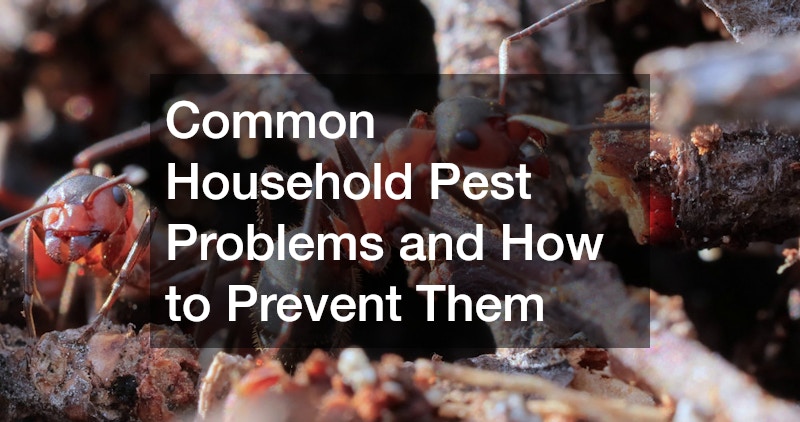
Pest problems can develop in almost any home, regardless of how clean or well maintained the property may be. Insects and rodents are constantly looking for food, water, warmth, and shelter, and a house can provide all four. Small cracks around windows, moisture beneath a sink, an unsealed package of food, or clutter in a basement may be enough to create favorable conditions.
The challenge is that many infestations begin quietly. A few ants near a window, scratching sounds in the attic, or an occasional cockroach may seem insignificant. However, these signs can indicate that pests have already found a reliable way into the home. Waiting until activity becomes obvious can make the problem more difficult and expensive to resolve.
Effective prevention starts with understanding why pests are attracted to a property and where they are likely to hide. Homeowners can reduce risks by inspecting vulnerable areas, sealing entry points, controlling moisture, storing food properly, maintaining outdoor areas, and responding quickly to warning signs. When an infestation is established or difficult to identify, professional assistance can provide a more targeted solution.
Learn to Recognize the Earliest Signs of Infestation
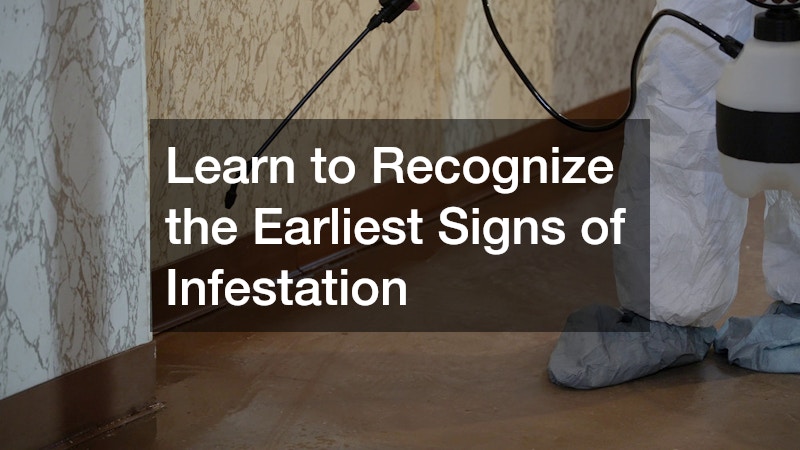
The sooner you recognize pest activity, the more options you have for addressing it. Different pests leave different clues, so homeowners should learn to look beyond actually seeing an insect or rodent. Droppings, gnaw marks, damaged packaging, shed skins, nests, discarded wings, grease marks, and unusual odors can all indicate activity. Scratching or movement inside walls, ceilings, or other concealed areas can also warrant further investigation.
Start inspections in places that provide pests with food, water, warmth, or shelter. In the kitchen, check beneath appliances, inside cabinets, around plumbing, and along baseboards. In bathrooms, look beneath sinks and around pipes for moisture and gaps. Basements, crawl spaces, attics, garages, and storage rooms deserve particular attention because they are often quieter and less frequently disturbed.
A professional pest control service can help determine what species is present, where it is active, and how extensive the problem may be. Accurate identification matters because an approach that works for one pest may be ineffective against another. Professionals can also look for evidence homeowners may overlook, such as concealed nests or entry routes.
When you notice suspicious evidence, document it rather than immediately cleaning everything away. Take photographs and note where the evidence was found, when you noticed it, and whether activity appears to be increasing. These details can help a technician understand the situation more quickly.
Stop Pests From Entering Through Small Gaps
One of the most effective ways to reduce pest problems is to make it harder for them to enter in the first place. Walk around both the interior and exterior of your property and look for gaps around windows, doors, vents, pipes, utility lines, the foundation, and roofline. Pay special attention to places where different building materials meet because these areas can develop cracks over time.
Check window and door screens for holes and make sure exterior doors close tightly. Door sweeps can help close the gap beneath doors, while appropriate caulking or other materials may be useful for smaller openings. Larger gaps may require more substantial repairs, particularly when they involve damaged siding, roofing, foundations, or utility penetrations.
Exclusion is especially important for rodents and larger insects because removing pests without closing their access points can lead to recurring problems. Even if a home appears secure from the inside, pests may be entering through areas that are difficult to see, such as attic vents or gaps around plumbing.
In established infestations, extermination services may be needed in addition to exclusion. Treatment can address pests already inside the property, while sealing openings helps prevent additional pests from entering. Homeowners should also avoid blocking vents or making repairs that interfere with necessary airflow or drainage. When the source of an opening is unclear, a professional assessment can help determine the safest repair approach.
Recognize and Prevent Termite Problems
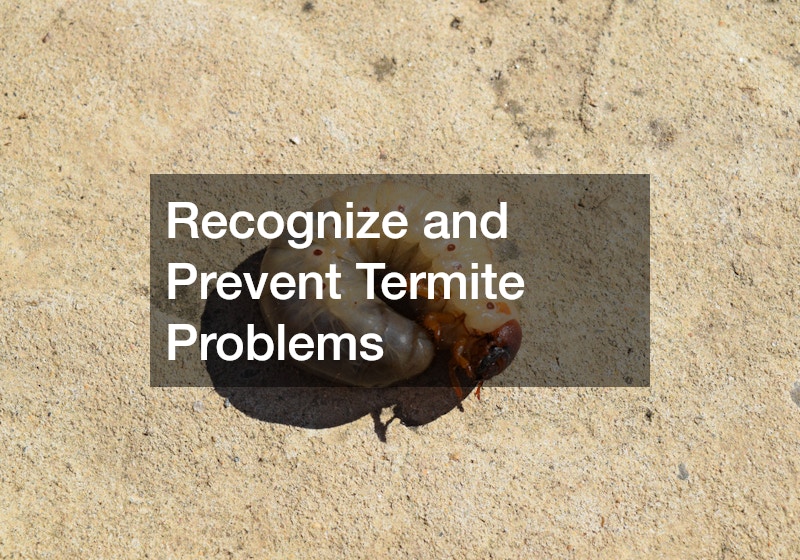
Termites can be particularly concerning because they may damage a property while remaining hidden from view. Instead of assuming that visible evidence will always appear indoors, homeowners should periodically inspect accessible areas for signs of activity. Look for mud tubes along foundations, discarded wings near windows, damaged or hollow-sounding wood, blistered surfaces, and other unexplained changes in wooden components.
Moisture and wood-to-soil contact can increase vulnerability. Inspect areas where wooden structures meet the ground and keep unnecessary wood debris away from the foundation. Firewood should be stored appropriately rather than directly against exterior walls. Leaking plumbing and drainage problems should also be corrected because persistent moisture can create favorable conditions.
Termite inspection specialists can examine areas that homeowners may not easily access, including crawl spaces, foundations, attics, and other structural components. An inspection is particularly worthwhile when you discover suspicious evidence, purchase an older property, or live in an area where termite activity is common.
If active termites are identified, a termite control service can determine an appropriate treatment strategy. Treatment needs to be based on the type of termite, location of the colony, construction of the property, and extent of activity. Simply treating a visible area may not address the larger problem.
Prevention should continue after treatment. Regular inspections, moisture management, appropriate storage of wood materials, and attention to foundation conditions can help identify new risks before they become significant. The goal is not only to address current activity but also to reduce conditions that could encourage future infestations.
Keep Rodents Out of Attics, Basements, and Garages
Rodents seek homes because they provide protection from weather and predators as well as convenient sources of food and nesting material. Attics, garages, basements, and crawl spaces can be especially attractive because they are often quiet and contain clutter that provides shelter.
Inspect the exterior carefully for potential entry points. Check around garage doors, vents, roof edges, utility openings, pipes, foundations, and areas where different materials meet. Look for gnaw marks or openings that may have been enlarged by repeated rodent activity.
Inside, watch for droppings, shredded paper or insulation, nesting material, damaged food packaging, and gnawed wood or wiring. Scratching sounds inside walls or ceilings can also indicate activity. Do not assume that an absence of visible rodents means there is no problem; these animals are often active in concealed areas.
Reduce the resources that attract them. Store food and pet supplies in sealed containers, keep trash secured, and avoid allowing clutter to accumulate in garages and storage areas. Firewood and other materials stored outside should be positioned appropriately rather than providing easy shelter immediately next to the home.
A professional rodent control service can evaluate the property for signs of activity and identify likely entry points. Effective management generally involves more than removing animals. The access route and conditions supporting the infestation also need attention. Once the problem is addressed, continue monitoring vulnerable areas and repair new openings promptly.
Reduce Cockroach Activity With Better Household Habits
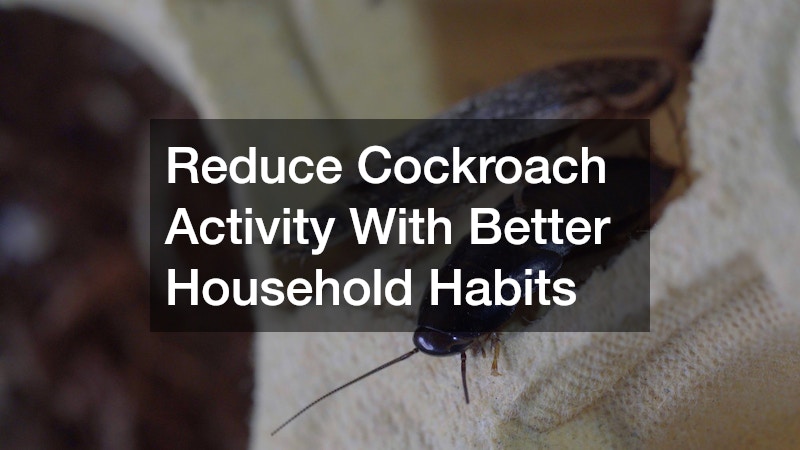
Cockroaches are highly adaptable pests that can survive in areas where food, water, and shelter are available. They often hide during the day in dark, protected spaces such as cabinet corners, wall voids, beneath appliances, and around plumbing. This means that a homeowner may see only a fraction of the insects actually present.
Begin by inspecting areas around sinks, dishwashers, refrigerators, ovens, and other appliances. Look for droppings, egg cases, shed skins, unusual odors, or live insects. Repair leaking faucets and pipes, and keep kitchen surfaces free of food residue. Clean grease from cooking areas and remove crumbs from floors and cabinets.
Reduce clutter, especially cardboard and paper products stored in damp or undisturbed areas. These materials can provide hiding places and may make it harder to locate activity. Pay attention to gaps around pipes and other penetrations that connect cabinets or wall spaces to concealed areas.
If you repeatedly see cockroaches, particularly during daylight hours, contact professional roach exterminators rather than relying indefinitely on over-the-counter products. Frequent sightings may indicate a significant infestation. Professional treatment can be based on the locations and conditions identified during an inspection.
Avoid using excessive pesticide simply because you see more insects. The objective is to address the infestation strategically while minimizing unnecessary exposure. Combining appropriate treatment with sanitation, moisture control, clutter reduction, and exclusion gives you a stronger chance of preventing the problem from returning.
Control Mosquitoes by Managing Outdoor Conditions
Mosquito prevention starts outside the home. These insects can reproduce in surprisingly small amounts of standing water, including water collected in plant saucers, buckets, children’s toys, clogged gutters, containers, and other outdoor objects. Regularly inspecting the property can therefore make a meaningful difference.
Walk around the yard after rainfall and look for places where water remains for several days. Empty unnecessary containers, clean gutters, change water in appropriate outdoor features regularly, and correct drainage problems. If an item can hold water and is not needed, store it indoors or turn it upside down when practical.
Vegetation also deserves attention. Keep grass and plants appropriately maintained, and avoid allowing dense growth to create damp, sheltered areas immediately next to the home. Repair damaged screens on windows and doors so mosquitoes have fewer opportunities to enter.
For properties experiencing persistent mosquito pressure, mosquito fogging may be considered as part of a broader management program. It can help reduce adult mosquito populations in targeted outdoor areas, but it should not be viewed as a replacement for removing standing water and addressing breeding sites. The most effective approach combines population reduction with environmental management.
When outdoor mosquito activity is severe, professional assessment can help identify conditions homeowners may have overlooked. Managing water, vegetation, screens, and other contributing factors can make outdoor areas more comfortable while reducing opportunities for mosquitoes to reproduce close to the home.
Identify and Respond to Bed Bug Infestations Early

Bed bugs can be difficult to identify during the early stages because they hide in small cracks and protected areas. If you suspect their presence, inspect mattress seams, box springs, bed frames, upholstered furniture, baseboards, and areas near where people sleep. Look for live insects as well as dark spots, shed skins, eggs, or other unusual evidence.
These pests can travel on luggage, clothing, furniture, and personal belongings. That makes caution important when bringing used furniture into the home or returning from travel. Inspect luggage after trips and avoid placing suitcases directly on beds when practical.
If evidence is found, avoid moving potentially infested belongings from one room to another. Doing so can unintentionally spread the problem. Instead, isolate affected items when possible and seek appropriate professional guidance.
Professional bed bug control can involve detailed inspection, targeted treatment, monitoring, and follow-up. Preparation is often an important part of the process, so homeowners should follow the technician’s instructions carefully. These instructions may involve laundering or bagging items, reducing clutter, moving furniture, or preparing specific rooms.
Do not assume that treating a visible insect will eliminate an infestation. Bed bugs can remain hidden in locations that are difficult to reach. Prompt, systematic action gives homeowners a better opportunity to prevent the problem from becoming widespread.
Create a Long-Term Prevention and Monitoring Plan
Pest prevention is most effective when it becomes part of regular home maintenance. Instead of waiting for obvious signs, establish a routine for inspecting vulnerable areas and correcting conditions that could attract pests. A seasonal checklist can make this easier to manage.
In spring and summer, inspect screens, doors, exterior gaps, gutters, landscaping, and areas where standing water may develop. Before colder weather arrives, check the foundation, roofline, garage, attic, and other potential entry points. Throughout the year, monitor kitchens, bathrooms, basements, and storage areas for moisture or pest evidence.
Working with a reputable pest control company can also provide a more structured approach for properties with recurring pest concerns. Depending on the property’s risks, professional monitoring or periodic inspections may help identify activity before it develops into a major infestation.
Keep records of pest sightings, repairs, inspections, and treatments. If the same problem repeatedly appears in one area or during a particular season, those records can reveal a pattern. For example, recurring insects after heavy rain may point toward drainage or moisture issues, while repeated rodent activity may indicate an unresolved entry point.
Most importantly, respond to changes rather than ignoring them. New cracks, water leaks, damaged screens, construction work, landscaping changes, and weather events can all alter the conditions around a home. Regular attention makes it easier to catch vulnerabilities while they are still manageable.
Building a More Pest-Resistant Home
Common household pest problems rarely have a single cause. Food, moisture, shelter, structural openings, outdoor conditions, and delayed responses can all contribute to an infestation. That is why the most reliable prevention strategy combines several habits instead of depending on one product or treatment.
Regular inspections help homeowners identify problems early, while good sanitation limits access to food and water. Sealing openings makes the property more difficult to enter, and moisture management removes conditions that encourage many pests. Professional assistance becomes especially valuable when activity is persistent, hidden, extensive, or difficult to identify.
The goal is not to make a home completely inaccessible to every insect or animal, which is unrealistic. Instead, homeowners should consistently reduce the conditions that make their property attractive and respond promptly when warning signs appear. With routine maintenance and a proactive approach, many pest problems can be detected earlier, addressed more effectively, and prevented from becoming recurring household disruptions.