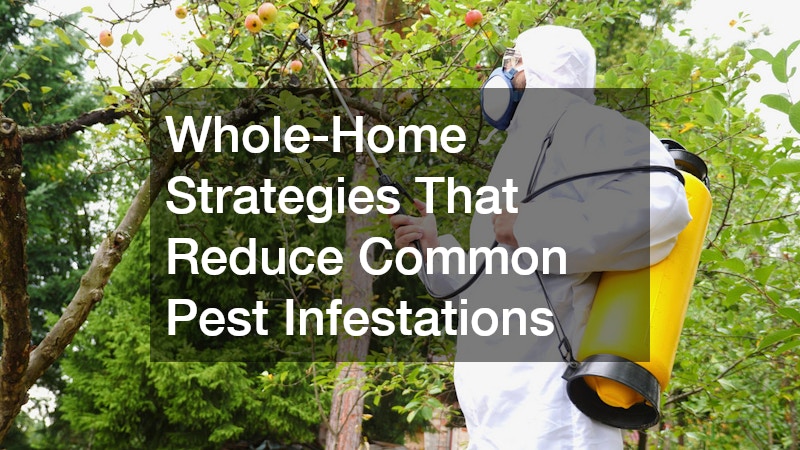
Pest problems rarely start in one obvious place. In most homes, infestations develop because of a combination of factors such as clutter, moisture, structural gaps, and poor sanitation practices. When these conditions exist across multiple areas of a property, pests find it much easier to enter, hide, and reproduce.
Taking a whole-home approach to prevention helps homeowners address the root causes that attract pests in the first place. Instead of focusing on a single room or treatment method, this strategy involves maintaining indoor spaces, improving structural barriers, managing outdoor environments, and monitoring early warning signs.
The good news is that most pest risks can be significantly reduced through consistent upkeep and smart home management. By addressing cleanliness, storage practices, structural maintenance, and yard care, homeowners can create an environment that is far less appealing to common household pests.
The following strategies provide practical, actionable steps that homeowners can implement to reduce the likelihood of infestations and maintain a healthier living environment.
Maintain a Consistent Indoor Cleaning Routine
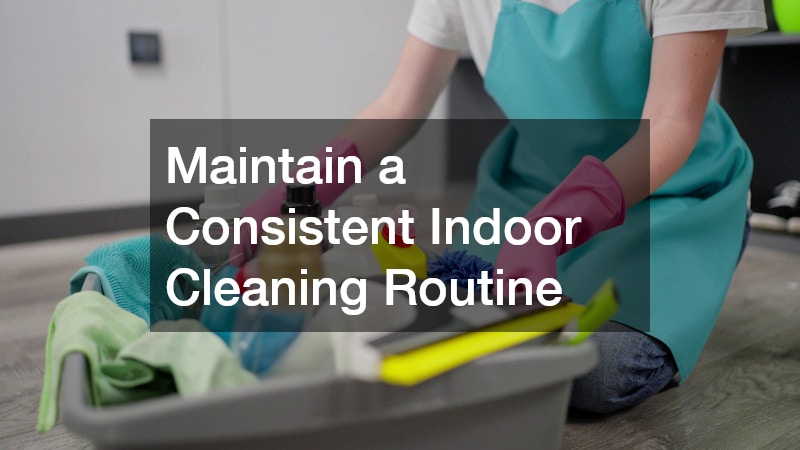
Indoor sanitation is one of the most important factors in preventing pest infestations. Even small amounts of food residue, grease buildup, or crumbs can attract insects and rodents. Kitchens, dining areas, and living rooms are particularly vulnerable because these spaces often contain food sources and hidden debris.
Maintaining a consistent house cleaning routine helps remove the materials that pests depend on for survival. Regular sanitation also allows homeowners to notice early signs of pest activity, such as droppings, shed skins, or unusual odors.
A weekly cleaning schedule should focus on both visible surfaces and hidden areas where debris tends to accumulate.
Key indoor cleaning tasks include:
- Wiping kitchen countertops and food preparation areas daily
- Vacuuming carpets, rugs, and upholstered furniture regularly
- Sweeping and mopping hard floors in high-traffic areas
- Cleaning behind and underneath appliances
- Emptying trash bins frequently and using sealed garbage containers
Soft surfaces like rugs and carpets can trap food particles, dust, and organic debris that pests feed on. Over time, these materials accumulate deep within fibers where normal vacuuming may not fully remove them.
Scheduling periodic carpet cleaning services can help eliminate buildup that attracts pests and contributes to indoor air quality issues. Professional deep cleaning also removes residues and organic matter that may otherwise support insect populations.
Homeowners should also pay close attention to overlooked areas such as:
- Pantry shelves and food storage spaces
- Baseboards and floor edges
- Behind furniture and entertainment centers
- Pet feeding areas
Consistency is the key to effective sanitation. A home that is cleaned regularly leaves far fewer resources available for pests to survive and reproduce.
Address Clutter and Storage Problems That Create Hiding Places
Clutter provides ideal shelter for many common household pests. Piles of stored items, stacks of boxes, and overcrowded storage spaces allow insects and rodents to hide undisturbed for long periods of time.
When storage areas become difficult to access, pest problems can grow without being detected. This is particularly common in basements, garages, attics, and spare rooms where unused belongings accumulate.
In extreme situations, large-scale hoarder cleanouts may be necessary to restore safe and manageable living conditions. Removing excessive clutter eliminates hidden nesting areas and allows homeowners to properly inspect walls, flooring, and structural features.
To reduce pest hiding places, homeowners should focus on organizing and simplifying storage areas.
Helpful decluttering strategies include:
- Removing items that have not been used in several years
- Replacing cardboard boxes with sealed plastic containers
- Labeling storage bins to make items easier to locate
- Keeping stored items elevated on shelving instead of the floor
- Creating clear pathways that allow for regular inspections
Basements are especially vulnerable to pest activity because they often contain moisture, darkness, and clutter. When homeowners undertake basement remodeling projects, they have an opportunity to reduce these risks by improving layout, ventilation, and storage design.
Well-planned renovations can help eliminate damp corners, exposed insulation, and inaccessible storage areas where pests might hide. Installing durable flooring, sealing foundation cracks, and improving lighting also makes it easier to monitor the space for potential pest activity.
During basement upgrades, homeowners should consider:
- Installing moisture-resistant materials
- Improving drainage and ventilation systems
- Adding organized shelving and cabinets
- Sealing cracks in foundation walls
By reducing clutter and improving storage design, homeowners remove many of the hidden spaces pests rely on for nesting.
Protect Structural Entry Points Around the Home
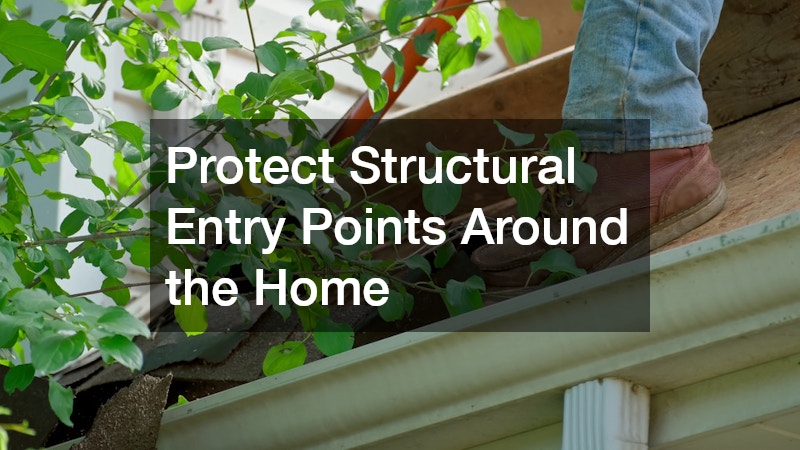
Even a clean and organized home can experience pest problems if insects or rodents are able to enter easily. Small openings around the roofline, attic vents, and siding often serve as entry points that go unnoticed until an infestation occurs.
Structural maintenance plays a major role in preventing pests from gaining access to interior spaces. Homeowners should routinely inspect exterior surfaces and address any damage that could allow pests to enter.
Damaged shingles, gaps around vents, and deteriorating flashing can create openings where animals and insects may enter the attic. Scheduling timely roof repairs helps eliminate these vulnerabilities and protects the upper structure of the home.
Signs that the roof may need attention include:
- Missing or curled shingles
- Water stains on ceilings or attic surfaces
- Visible gaps near roof vents or chimneys
- Debris accumulation along the roof edges
Attics are particularly attractive to pests because they provide warmth, shelter, and minimal human activity. If insulation becomes damaged or displaced, it may create additional nesting opportunities.
Working with a qualified insulation company can help ensure that attic materials are properly installed and sealed. Updated insulation not only improves energy efficiency but can also reduce small gaps that pests might use as entry points.
In addition to professional upgrades, homeowners should regularly inspect attic areas for signs of activity, such as:
- Droppings or nesting materials
- Chewed wood or wiring
- Scratching noises in walls or ceilings
Other structural prevention steps include:
- Sealing cracks around windows and doors
- Installing door sweeps on exterior doors
- Repairing damaged siding panels
- Screening attic and crawlspace vents
Routine inspections and prompt repairs help maintain a strong barrier between the home and the outside environment.
Manage Outdoor Spaces to Reduce Pest Attraction
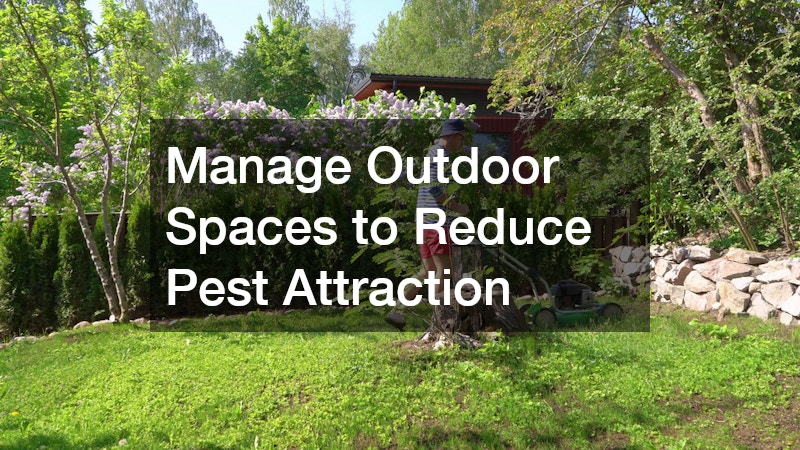
The condition of a property’s outdoor areas plays a major role in determining whether pests will approach a home. Overgrown vegetation, standing water, and unmaintained lawns can create ideal habitats for insects and rodents.
Maintaining a consistent lawn care routine helps reduce the number of pests that gather near the home. Shorter grass, trimmed shrubs, and clear landscaping reduce hiding places and limit pathways that pests use to reach the structure.
Key lawn maintenance practices include:
- Mowing grass regularly to keep it at a manageable height
- Removing yard debris such as leaves and fallen branches
- Keeping mulch layers thin and away from the foundation
- Eliminating standing water from planters or yard features
- Trimming shrubs and tree branches away from the house
Flowering plants and gardens often attract pollinators that are beneficial to the environment. However, when nests or colonies form too close to entryways or living spaces, they can become a safety concern.
In situations where bees establish nests near doors, patios, or rooflines, homeowners should avoid attempting removal on their own. Professional pest management specialists can evaluate the situation and determine safe solutions that protect both people and pollinators.
Outdoor prevention also includes careful management of garbage storage, compost bins, and pet feeding areas. These resources can easily attract wildlife and insects if they are not properly secured.
Additional outdoor prevention tips include:
- Keeping garbage containers tightly sealed
- Cleaning outdoor grills after each use
- Storing firewood away from the house
- Maintaining proper drainage around foundations
When outdoor areas are well-maintained, pests are less likely to establish colonies close to the home.
Monitor Early Warning Signs of Infestations
Early detection is one of the most effective ways to prevent small pest issues from becoming major infestations. Many pests reproduce quickly, which means that a small problem can grow rapidly if it goes unnoticed.
Rodents often leave behind clear signs of activity before they are actually seen. Droppings, gnaw marks, and scratching sounds inside walls are common indicators that homeowners may need to consider rat control measures.
Other signs of rodent activity may include:
- Shredded paper or fabric used for nesting
- Grease marks along baseboards or walls
- Small holes near food storage areas
- Unusual pet behavior around certain walls or cabinets
Bedrooms and sleeping areas should also be monitored regularly for signs of insects. Small stains on bedding, shed skins, or bites that appear overnight may indicate the need for professional bed bug treatments.
Because these insects hide in extremely small spaces, they can spread throughout a home before being detected. Early inspection and intervention significantly improve the chances of resolving the issue quickly.
Homeowners can reduce pest risks by performing regular inspections in areas where pests commonly hide.
Important inspection points include:
- Mattress seams and bed frames
- Baseboards and wall cracks
- Furniture joints and upholstery
- Closets and storage spaces
If any suspicious signs appear, it is best to consult a pest management professional promptly. Quick action prevents pests from spreading and reduces the overall cost and complexity of treatment.
Create a Long-Term Prevention Plan for Your Home

Preventing pest infestations requires more than occasional cleaning or repairs. The most effective strategy is a long-term maintenance plan that addresses sanitation, structural upkeep, and environmental conditions throughout the year. By thinking ahead and implementing routine practices, homeowners can greatly reduce the likelihood of pests establishing themselves inside the home. A comprehensive approach ensures that every potential entry point and resource that pests rely on is managed consistently.
Homeowners should view pest prevention as an ongoing process rather than a one-time task. Pests often exploit small lapses in upkeep, whether it’s a clogged gutter, a damp basement corner, or a neglected pantry. Consistent inspections and proactive maintenance reduce the opportunities for pests to find food, shelter, and breeding areas. Regular attention allows homeowners to detect early warning signs before minor issues escalate into full-blown infestations.
A yearly prevention plan should incorporate several key elements, including seasonal cleaning, structural inspections, yard management, and professional support when necessary. For example, maintaining clean indoor spaces and monitoring moisture levels in basements or crawlspaces helps eliminate hidden breeding grounds. Structural inspections, such as checking roofs, foundations, and siding, ensure that potential entry points are sealed and vulnerabilities addressed. Additionally, yard care and vegetation control reduce pest habitats near the home’s exterior, limiting opportunities for infestations to develop.
To stay organized, homeowners can create a seasonal checklist that clearly outlines which tasks should be performed during different times of the year. Seasonal planning ensures that maintenance doesn’t fall behind, and it provides a structured approach to pest prevention.
Example seasonal tasks include:
Spring:
- Inspect exterior walls and foundations for cracks
- Clean gutters and downspouts
- Remove debris accumulated during winter
Summer:
- Maintain landscaping and lawn height
- Check screens on doors and windows
- Monitor outdoor garbage storage
Fall:
- Seal gaps around doors and windows
- Store firewood away from the home
- Inspect attic and basement areas
Winter:
- Watch for signs of rodents seeking shelter
- Keep food storage areas clean and organized
- Address any indoor moisture issues
When these steps are performed consistently, they create a home environment that is far less appealing to pests. Not only does this prevent infestations, but it also promotes a healthier, cleaner, and more comfortable living space. By integrating these tasks into a regular routine, homeowners can reduce stress, minimize repair costs, and maintain greater control over the long-term health of their property.
Pest prevention works best when homeowners address the entire living environment rather than focusing on isolated solutions. Clean indoor spaces, organized storage areas, well-maintained structures, and properly managed outdoor environments all play a role in reducing pest risks.
By combining sanitation practices, structural maintenance, and early detection strategies, homeowners can significantly reduce the likelihood of infestations. Regular inspections and proactive upkeep make it easier to identify potential problems before they escalate.
A whole-home strategy not only protects against pests but also contributes to a healthier, more comfortable living space. With consistent attention and preventative care, homeowners can maintain a property that discourages pests from settling in the first place.