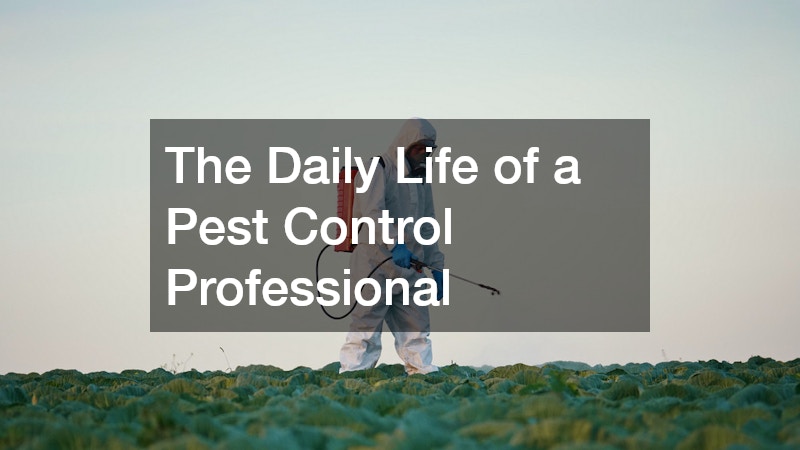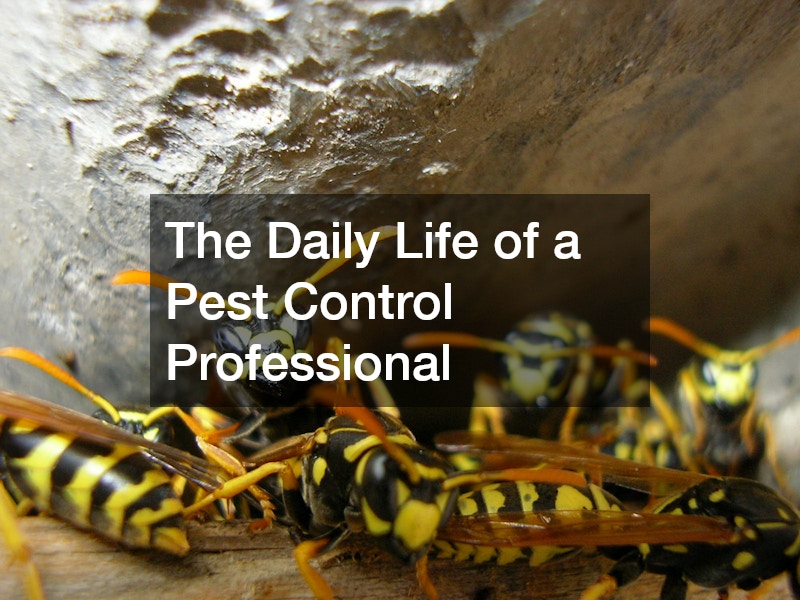
Pest control is crucial for societal health and agricultural productivity. Experts are responsible for identifying and managing pest infestations, requiring skill, knowledge, and dedication. This article explores a typical day in the life of a pest control expert, outlining their roles, tools, and challenges.
1. Roles and Responsibilities of a Pest Control Expert
1.1 Understanding the Profession
Pest control experts identify, manage, and exterminate pest infestations across various environments. They inspect to assess pest issues, formulate and implement plans for elimination, and provide preventative measures.
Educating clients and offering follow-up services are also key duties, requiring attention to detail, problem-solving skills, and commitment to public health and safety standards.
1.2 Essential Tools and Equipment
The toolkit includes sprayers, dusters, and traps, with advanced technology like thermal imaging for hidden infestations. Regular maintenance of these tools ensures optimal performance, supported by Integrated Pest Management (IPM) systems for strategic interventions. Additionally, ongoing training programs for technicians ensure they are proficient in utilizing the latest pest control technologies effectively and safely.
1.3 Common Pests Encountered
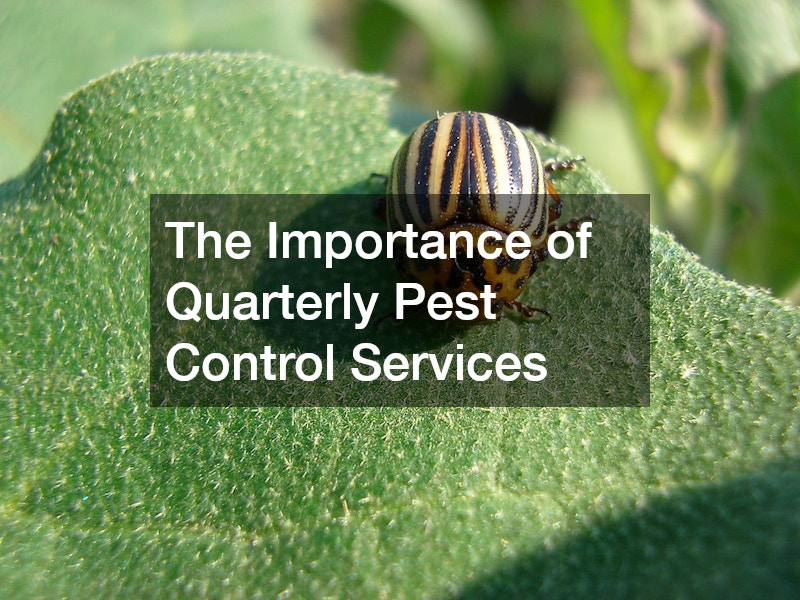
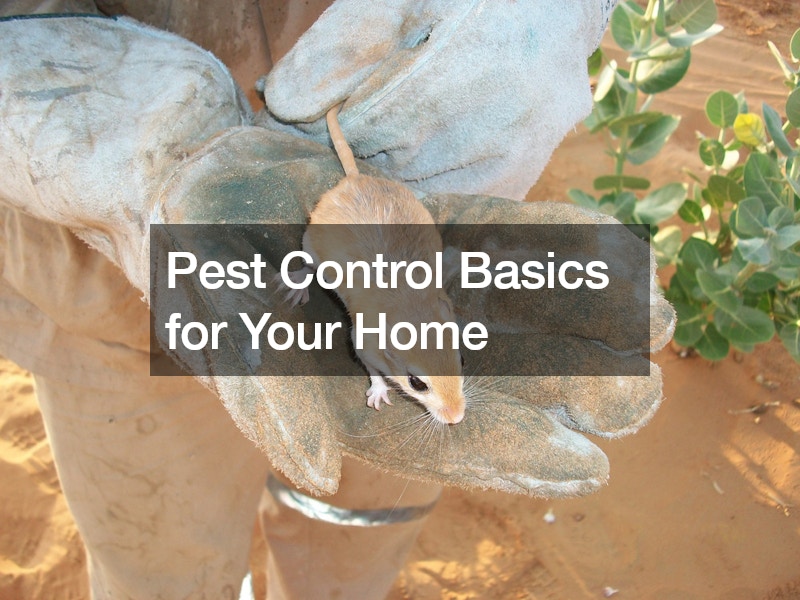
Typical pests include rodents, termites, and wildlife, each needing specific treatment protocols. Understanding pest behavior and adaptability to new threats is essential for effective management. Integrating preventive measures can significantly reduce pest-related problems before they escalate.
1.4 Varied Working Conditions
Experts work indoors and outdoors, requiring physical stamina and dealing with potentially hazardous environments. Protective gear is critical, alongside calmness and adaptability to manage diverse conditions efficiently. Collaboration skills are also essential for effectively coordinating with team members in dynamic scenarios.
1.5 Prioritizing Health and Safety
Health and safety are paramount due to risks from chemicals and hazards. Training, protective gear, and adherence to safety protocols mitigate exposure. Ongoing training ensures alignment with the latest safety standards and practices.
2. Managing the Schedule of Pest Control Experts
2.1 Mastering Time Management
Effective time management ensures thorough property inspections and treatments. Scheduling software aids in managing appointments and workflows. Prioritizing based on urgency and location enhances service efficiency.
2.2 Efficient Scheduling of Appointments
Managing appointments requires ample time allocation for travel and emergencies. Adapting to last-minute changes is key to reliable service. Client management systems streamline scheduling and set clear expectations with clients.
2.3 Strategic Route Planning
Route planning affects productivity and fuel efficiency. Mapping and GPS technology optimize routes, reducing travel time and costs. Route optimization software makes real-time adjustments for efficient service delivery.
2.4 Quick Response to Emergencies
Emergencies require quick thinking and quick responses to safeguard clients and property. Maintaining a ready kit and effective communication with clients and colleagues ensures a cohesive approach to urgent issues. Regular training and drills can further enhance preparedness and efficiency during emergency situations.
2.5 Balancing Workload
The workload varies, necessitating adaptability and resilience. Balancing fieldwork with administrative tasks maintains service quality. Efficient workload management reduces stress and enhances productivity.
3. Navigating Challenges in Pest Control
3.1 Engaging with Challenging Clients
Excellent communication effectively articulates pest issues and management plans. Patience and empathy build trust and manage expectations, fostering client relationships. Continuous education about pest control innovations keeps clients informed and satisfied with the services provided.
3.2 Embracing Technological Evolution
The industry evolves with new technologies enhancing service delivery. Staying informed and integrating technology provides cutting-edge solutions and competitiveness. It is crucial for businesses to continuously train their workforce to effectively utilize these technological advancements.
3.3 Environmental Considerations and Responsibilities
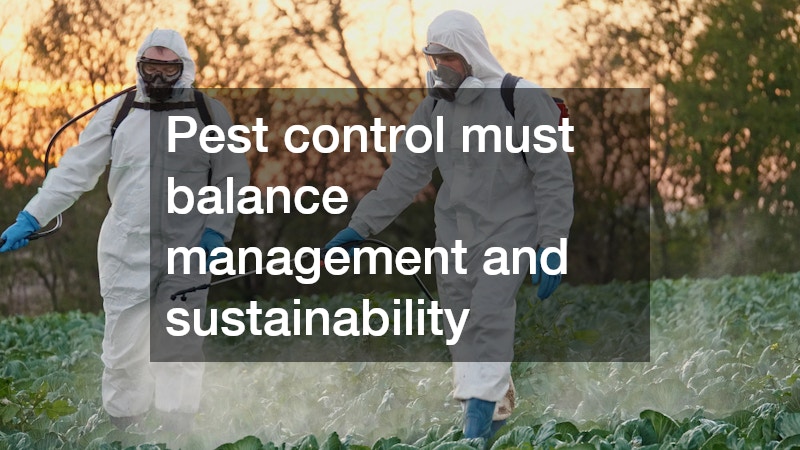
Pest control must balance management and sustainability; eco-friendly products minimize harm. Professionals adjust methods based on environmental impacts, contributing positively to conservation and health. Integrating community education about sustainable practices can further enhance these efforts.
3.4 Adapting to Seasonal Variations
Changes in seasons affect workload and pest behavior. Professionals adapt scheduling and resources to meet seasonal demands, ensuring efficient operations year-round. This adaptability is crucial for maintaining service quality and customer satisfaction.
3.5 Addressing Occupational Hazards
Managing risks from chemicals and environments is essential. Training and safety protocols enhance workplace safety, supported by protective equipment investments. Regular assessments and updates to these measures are necessary to adapt to evolving safety standards and emerging risks.
The daily life of a local pest control expert is multifaceted, demanding adaptability, technical proficiency, and commitment to well-being. Understanding roles and mastering scheduling are crucial for success. Navigating technology and environmental considerations, experts protect societies from pest threats, highlighting the industry’s significance in maintaining a balanced environment.